PRÓXIMOS LANÇAMENTOS
Acompanhe os próximos lançamentos espaciais programados. Fique por dentro das missões que estão prestes a decolar e expandir nosso conhecimento do cosmos.
Carregando lançamentos...
Acompanhe os próximos lançamentos espaciais programados. Fique por dentro das missões que estão prestes a decolar e expandir nosso conhecimento do cosmos.
Carregando lançamentos...

Launch vehicle also unconfirmed.

Launch vehicle also unconfirmed.

Sem descrição disponível

Sem descrição disponível

Sem descrição disponível

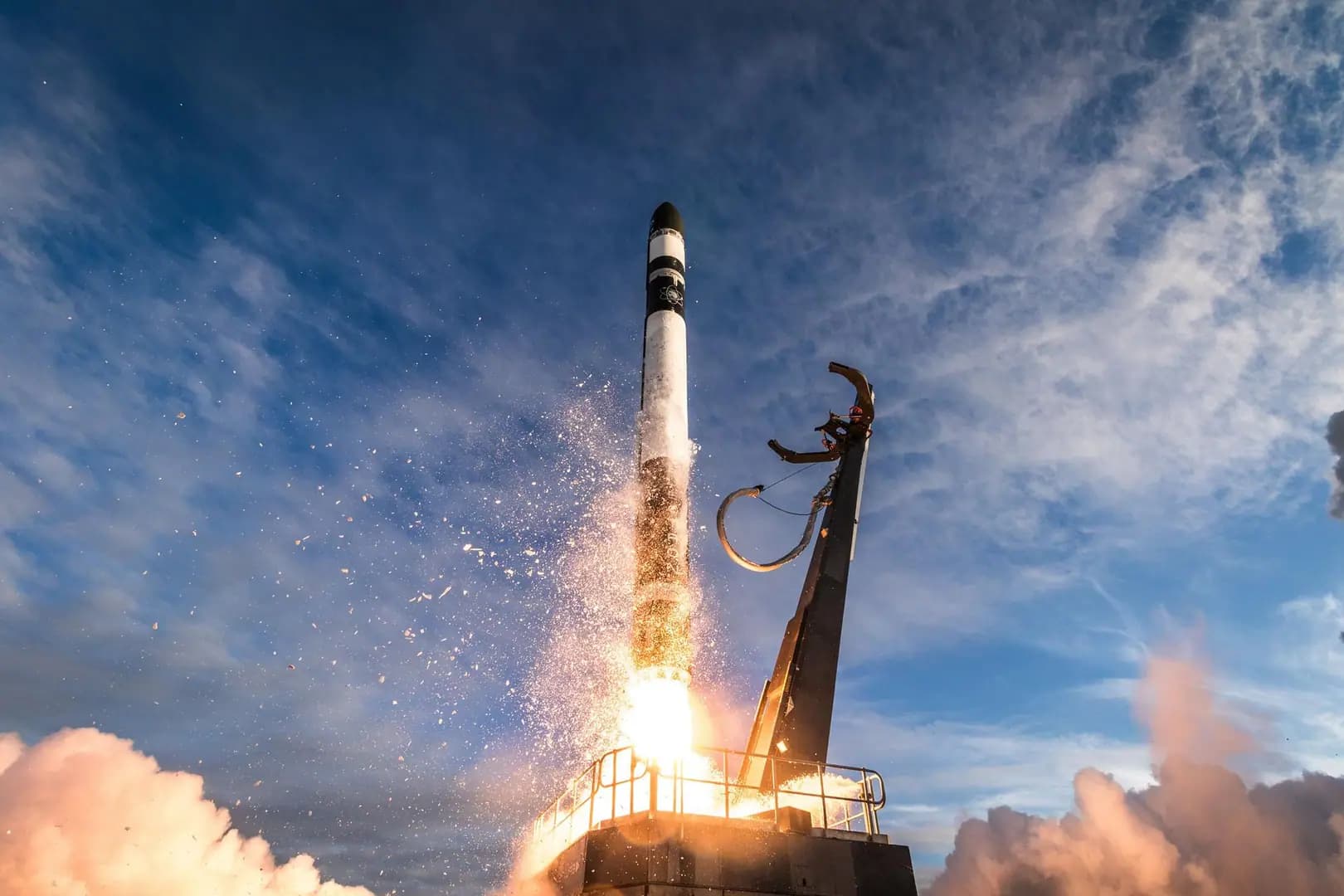
Launching a single StriX Earth Observation Satellite into orbit for Japanese Earth imaging company Synspective. 8th mission out of the 27 planned for Synspective and Rocket Lab.

Second test flight of Isar Aerospace's Spectrum launch vehicle. Includes several payloads for ESA's "Boost!" program, including for various European universities.

Sem descrição disponível

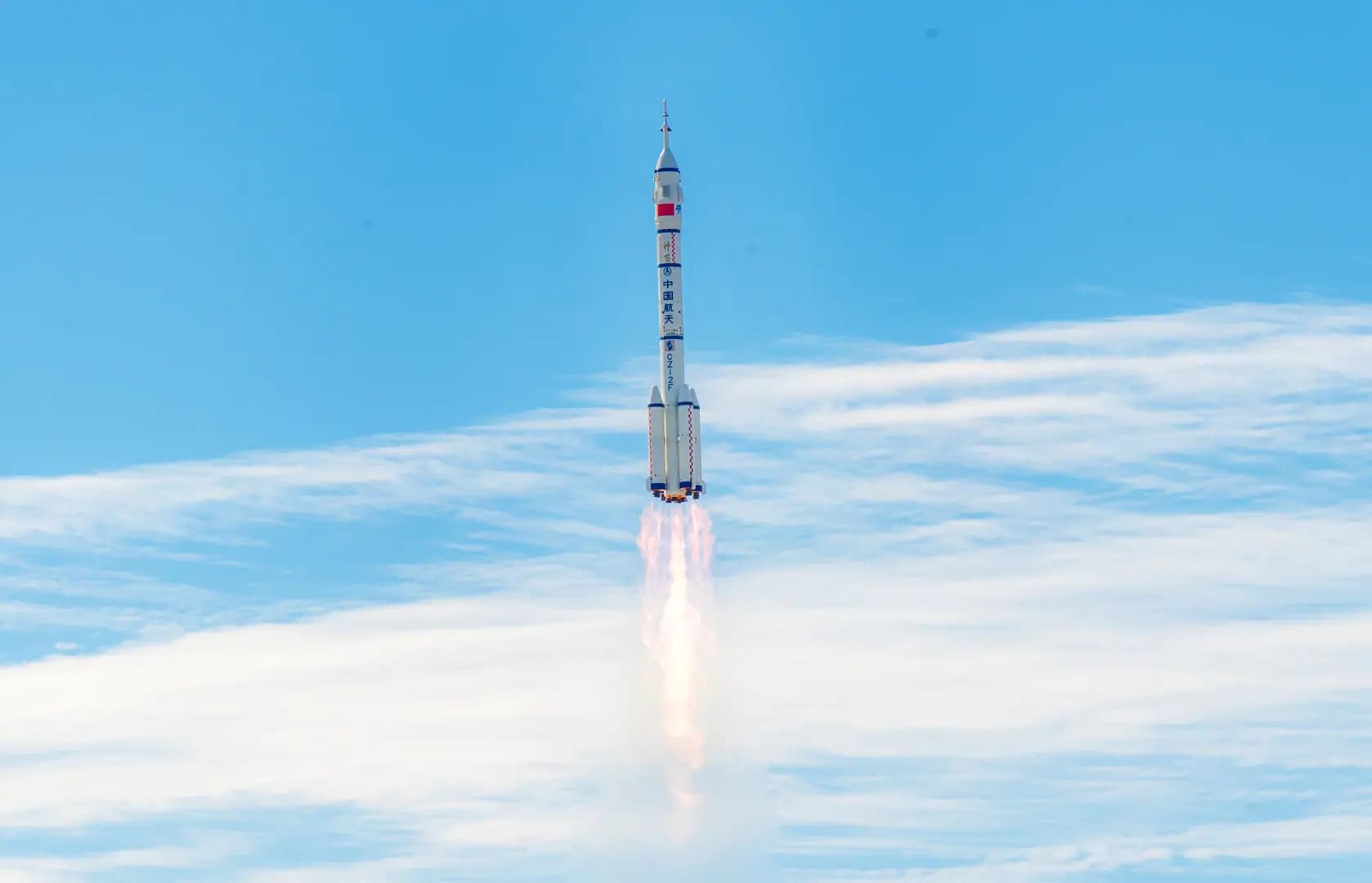
Progress MS-33 is a Roscosmos cargo mission to resupply the International Space Station. NASA identifies the spacecraft as Progress 94 (ISS mission 94P). The vehicle is planned to rendezvous and dock autonomously with the ISS, targeting the space-facing (zenith) port of the Poisk module. As a Progress MS-series freighter, it is intended to deliver a mix of pressurized cargo (crew supplies and station hardware) and tanked commodities (such as propellant and other fluids/gases used for station support), then later depart with refuse for disposal at the end of the mission. Planning for this flight has been affected by damage at Baikonur’s Site 31/6 discovered after a prior Soyuz launch, which drove schedule adjustments and downstream ISS logistics changes.

Sem descrição disponível

Sem descrição disponível

Electron mission for the European Space Agency (ESA). First two satellites for the LEO-PNT navigation constellation.

Sem descrição disponível

Soyuz-5, also known as Irtysh, is the new generation medium-class launch vehicle developed by Russia in cooperation with Kazakhstan to replace the Zenit-2 and Proton Medium launch vehicles, and to keep Baikonur cosmodrome operational while Vostochny cosmodrome takes on the role of the main Russian spaceport. It was previously known as project Sunkar/Fenix. The first stage of this launch vehicle will be used in the planned super-heavy Yenisey rocket, capable of lifting 100 tons of payload to low Earth orbit, and is considered the first stage in achieving this goal. Live firing tests of the fully intergrated first stage of Soyuz-5 were completed in March 2025. It is currently unclear whether the test flight will carry a mass simulator or a functional payload.

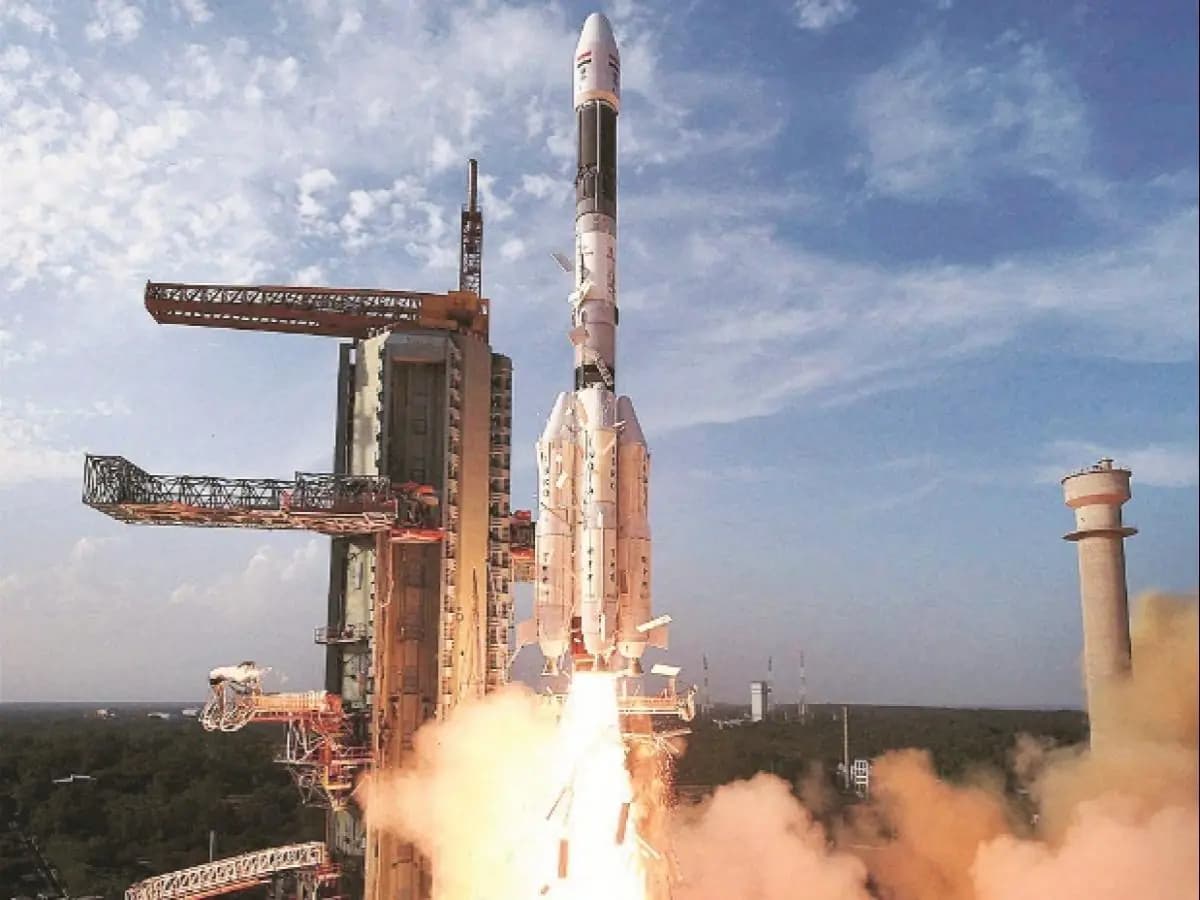
aka GISAT-2, a geo-imaging satellite for quickly providing images during disasters.

Sem descrição disponível

Sem descrição disponível

Sem descrição disponível

Sem descrição disponível

The first of many planned Amazon Leo communication satellites on a Vulcan rocket. 45 satellites will ride on top of an optimized Centaur V upper stage.

Sem descrição disponível

Artemis II is NASA’s first crewed mission of the Artemis program and will send four astronauts—Reid Wiseman, Victor Glover, Christina Hammock Koch, and Jeremy Hansen—on a lunar flyby and return to Earth. The flight is designed as a crewed test of the Orion spacecraft and associated mission systems following the uncrewed Artemis I mission. Key objectives include validating Orion’s crew life support and operational readiness in deep-space conditions, performing in-flight checkouts and crew procedures, and executing a lunar free-return trajectory before Earth reentry and ocean recovery. The mission also incorporates international contributions, including the European Service Module that provides propulsion, power, and consumables for Orion. Along with the four crew members, four CubeSats will ride along as secondary payloads: - TACHELES from the German space agency DLR - ATENEA from Argentina’s space agency CONAE - K-RadCube from the Korea AeroSpace Administration - Space Weather CubeSat-1 from the Saudi Space Agency

Sem descrição disponível

joint mission between the European Space Agency and the Chinese Academy of Sciences that studies the interaction of Earth’s protective shield – the magnetosphere – and the supersonic solar wind.