
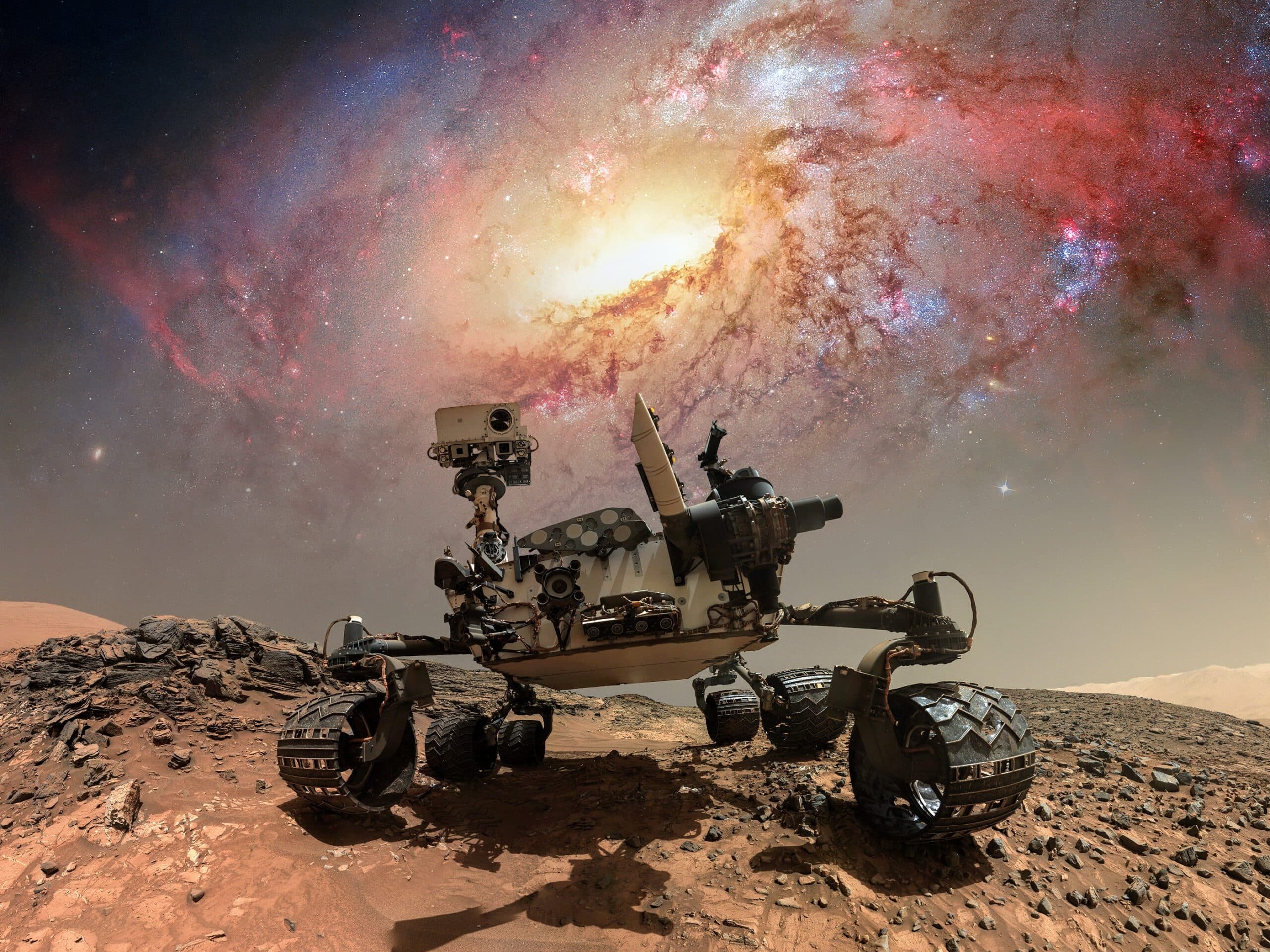
Curiosity Rover
O rover Curiosity investiga a habitabilidade de Marte, estudando o clima, a geologia e os registros ambientais preservados na Cratera Gale.
Em atividade desde agosto de 2012, o Curiosity analisa rochas, solo e atmosfera para descobrir se Marte já reuniu condições adequadas à vida microbiana. Seus instrumentos científicos também ajudam a reconstruir a história ambiental do planeta e a preparar futuras missões humanas.
Detalhes da Missão
- Status da Missão:
- active
- Data de Lançamento:
- 11/26/2011
- Data de Pouso:
- 8/6/2012
- Local de Pouso:
- Gale Crater
- Total de Imagens:
- 654,321
- Duração da Missão:
- 3800+ sols (10+ Earth years)
Especificações do Rover
- Peso:
- 899 kg (1,982 lb)
- Comprimento:
- 3 m (9.8 ft)
- Fonte de Energia:
- Radioisotope Thermoelectric Generator (RTG)
- Velocidade Máxima:
- 0.14 km/h (0.09 mph)
- Número de Câmeras:
- 6
CÂMERAS DO ROVER
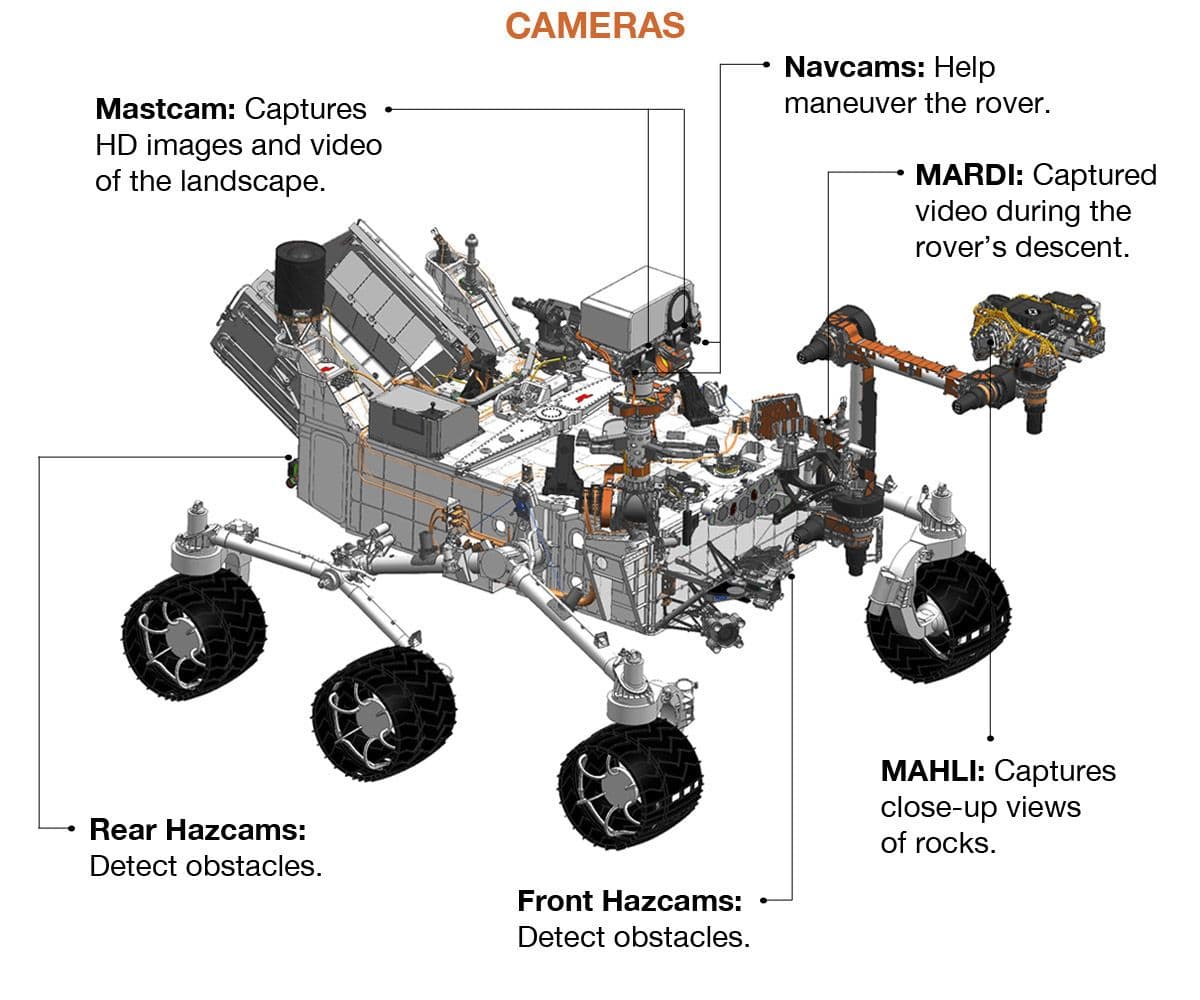
O rover Curiosity está equipado com múltiplas câmeras que servem a diferentes propósitos científicos e operacionais.
Mastcam
Mast Camera
The Mastcam system provides multiple spectral and stereoscopic imaging capabilities.
Navcam
Navigation Camera
The Navigation Cameras help the rover team navigate Curiosity safely across the Martian terrain.
FHAZ
Front Hazard Avoidance Camera
The Front Hazard Avoidance Cameras help the rover detect and avoid obstacles in its path.
RHAZ
Rear Hazard Avoidance Camera
The Rear Hazard Avoidance Cameras help the rover detect and avoid obstacles when driving backward.
MAHLI
Mars Hand Lens Imager
The Mars Hand Lens Imager takes close-up, high-resolution color images of rocks and soil.
ChemCam
Chemistry and Camera Complex
The Chemistry and Camera Complex uses a laser to analyze the chemical composition of rocks and soil.
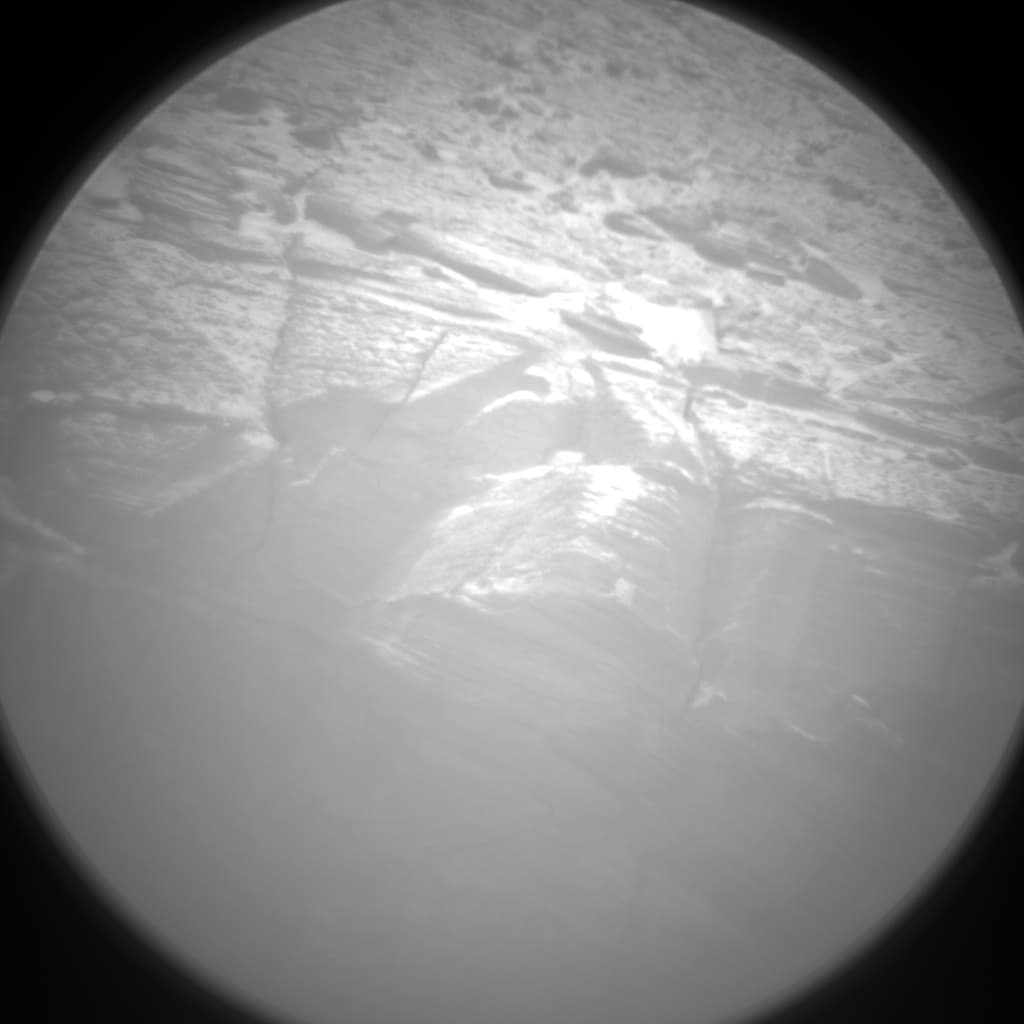
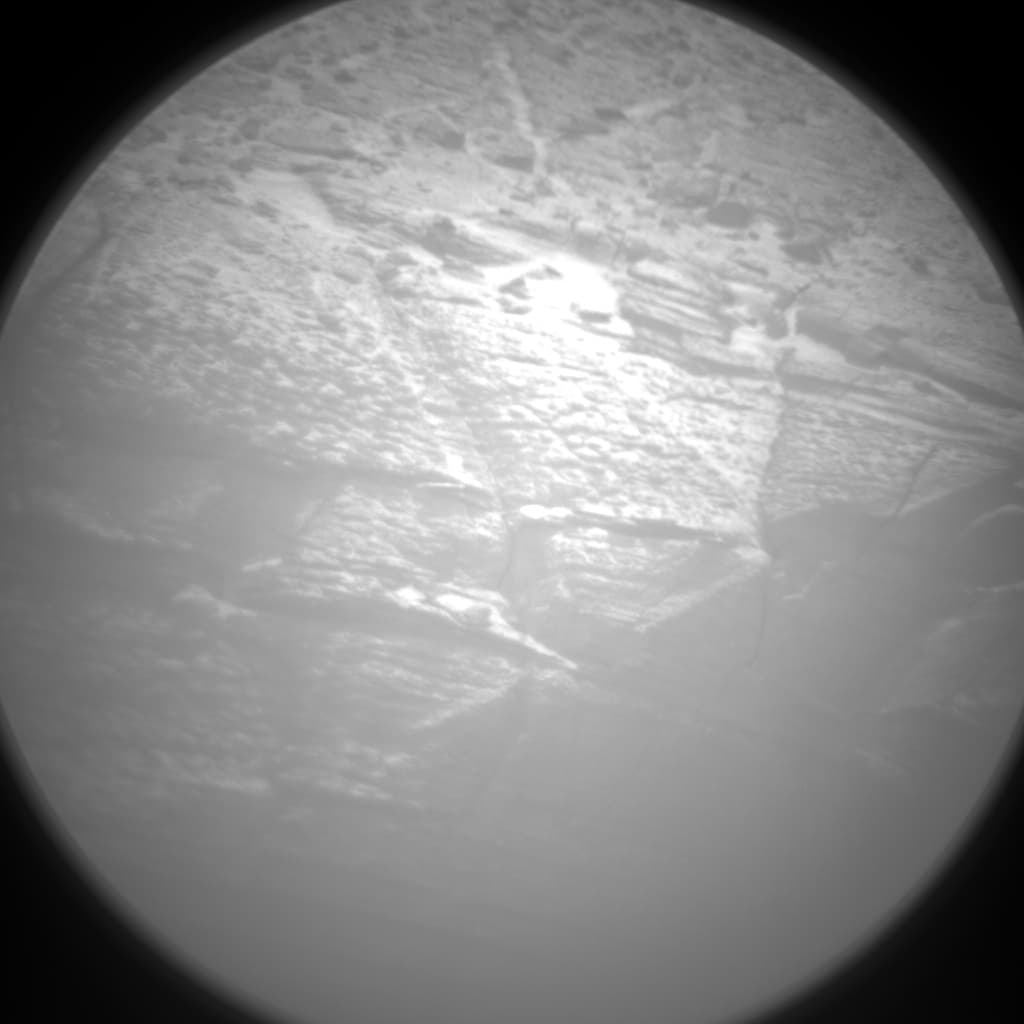
FOTOS RECENTES
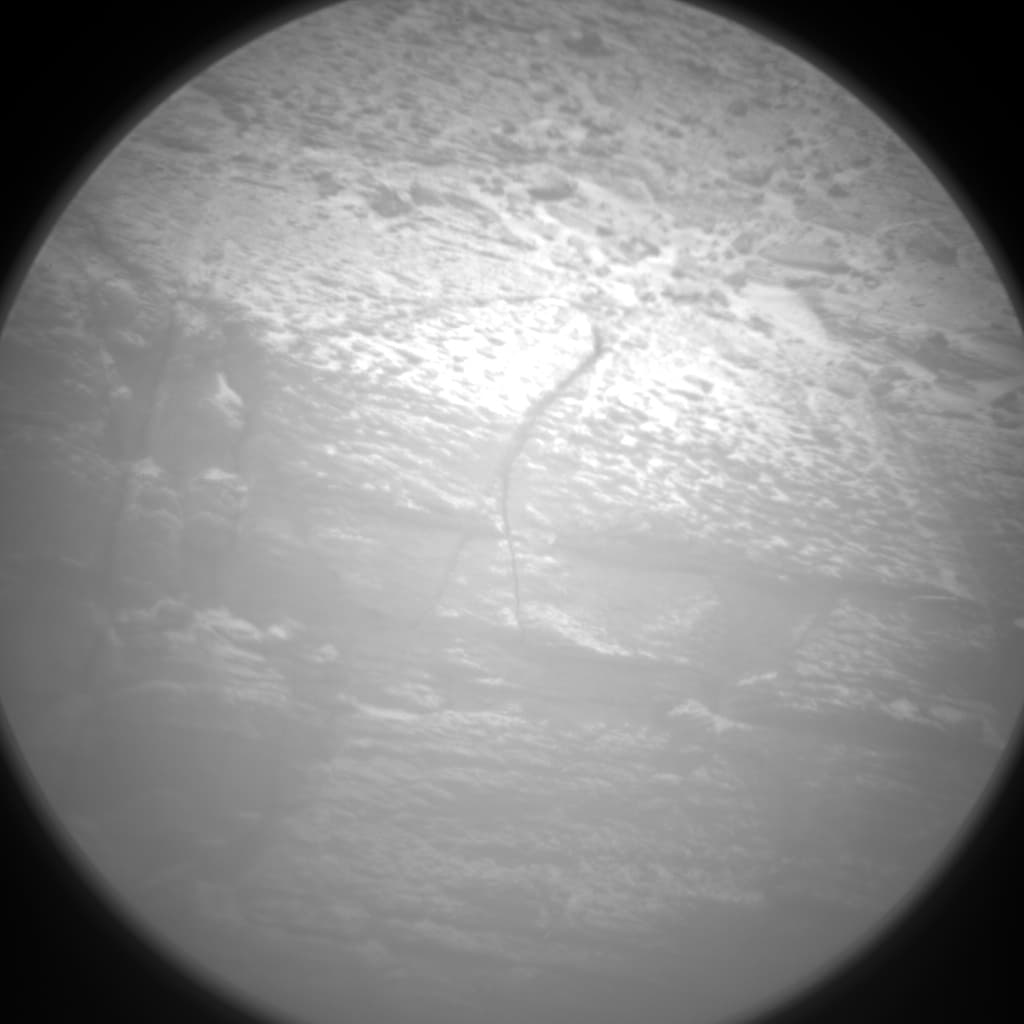
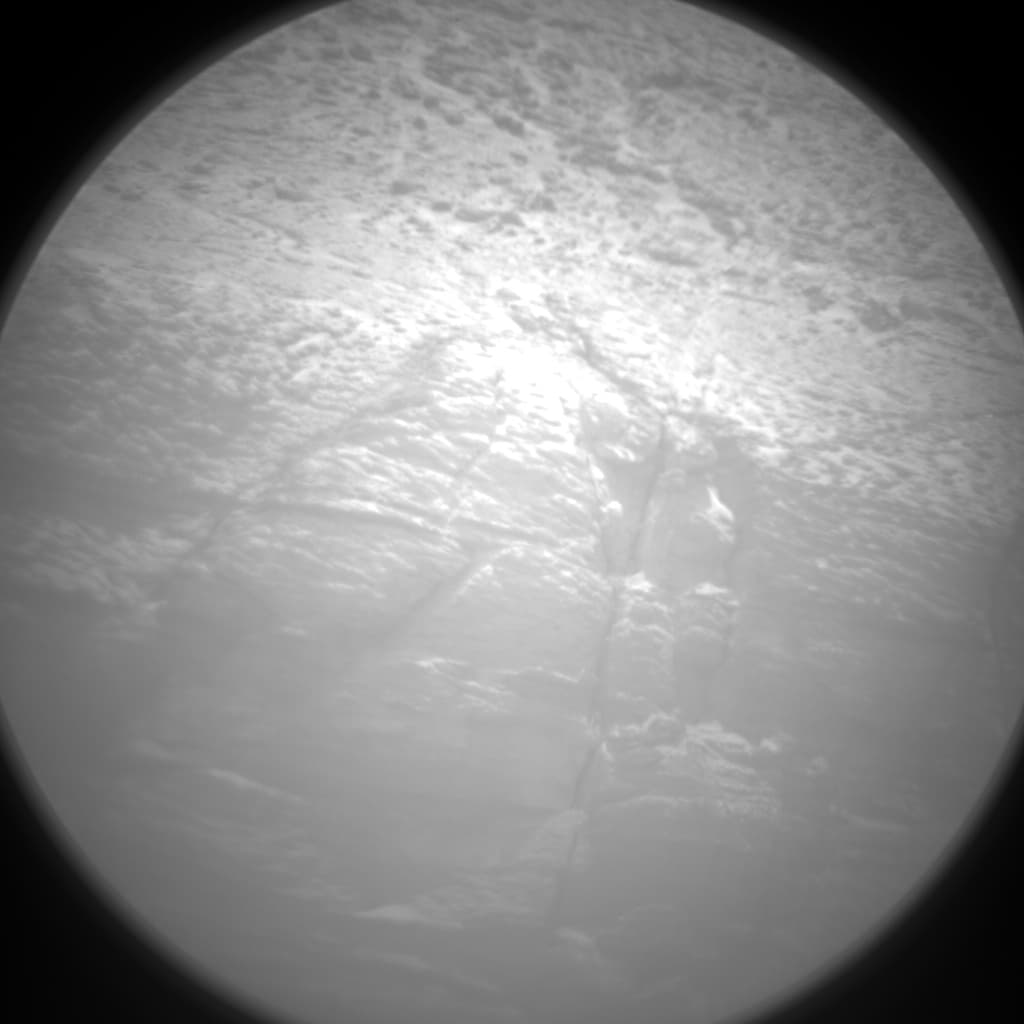
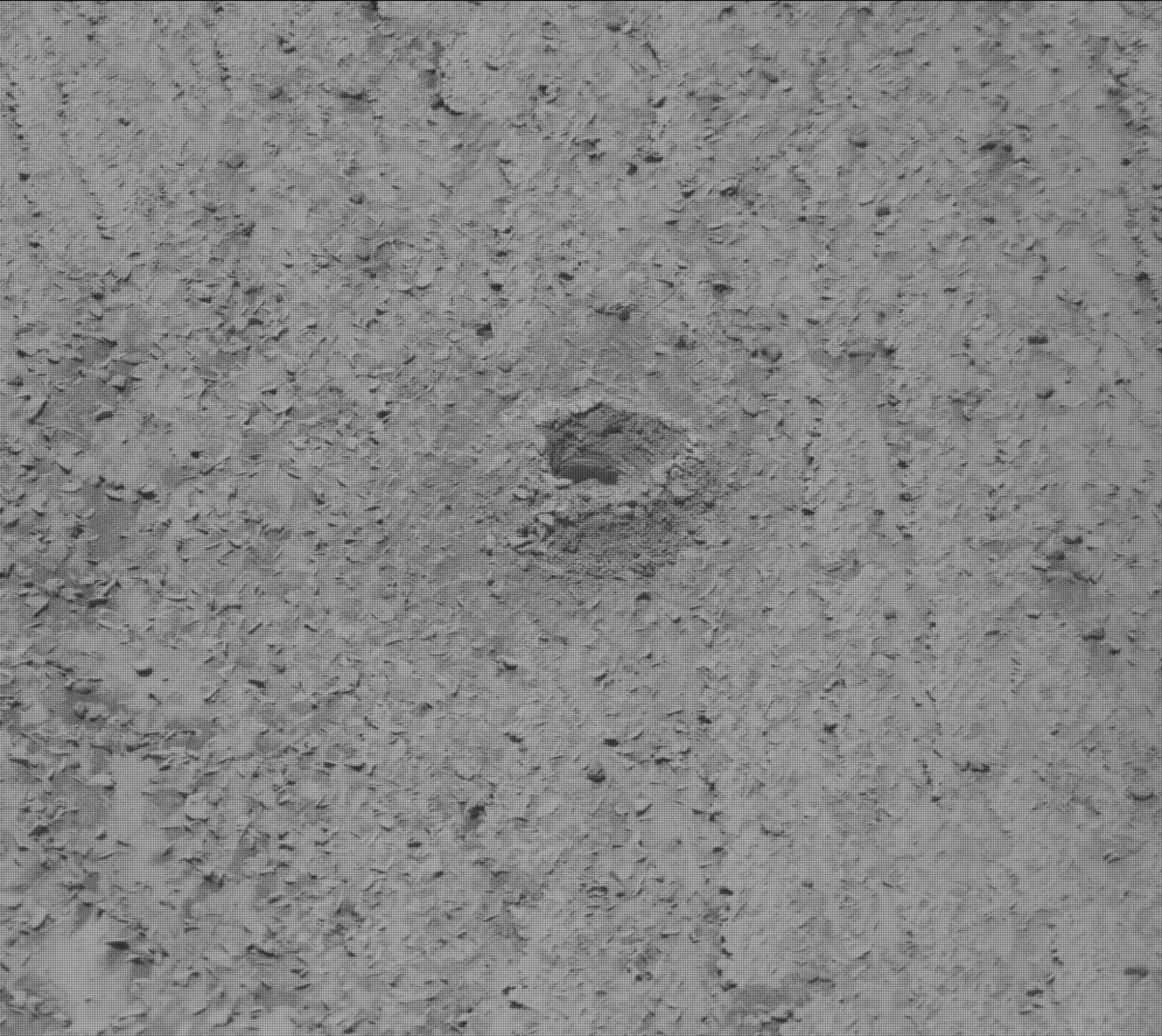
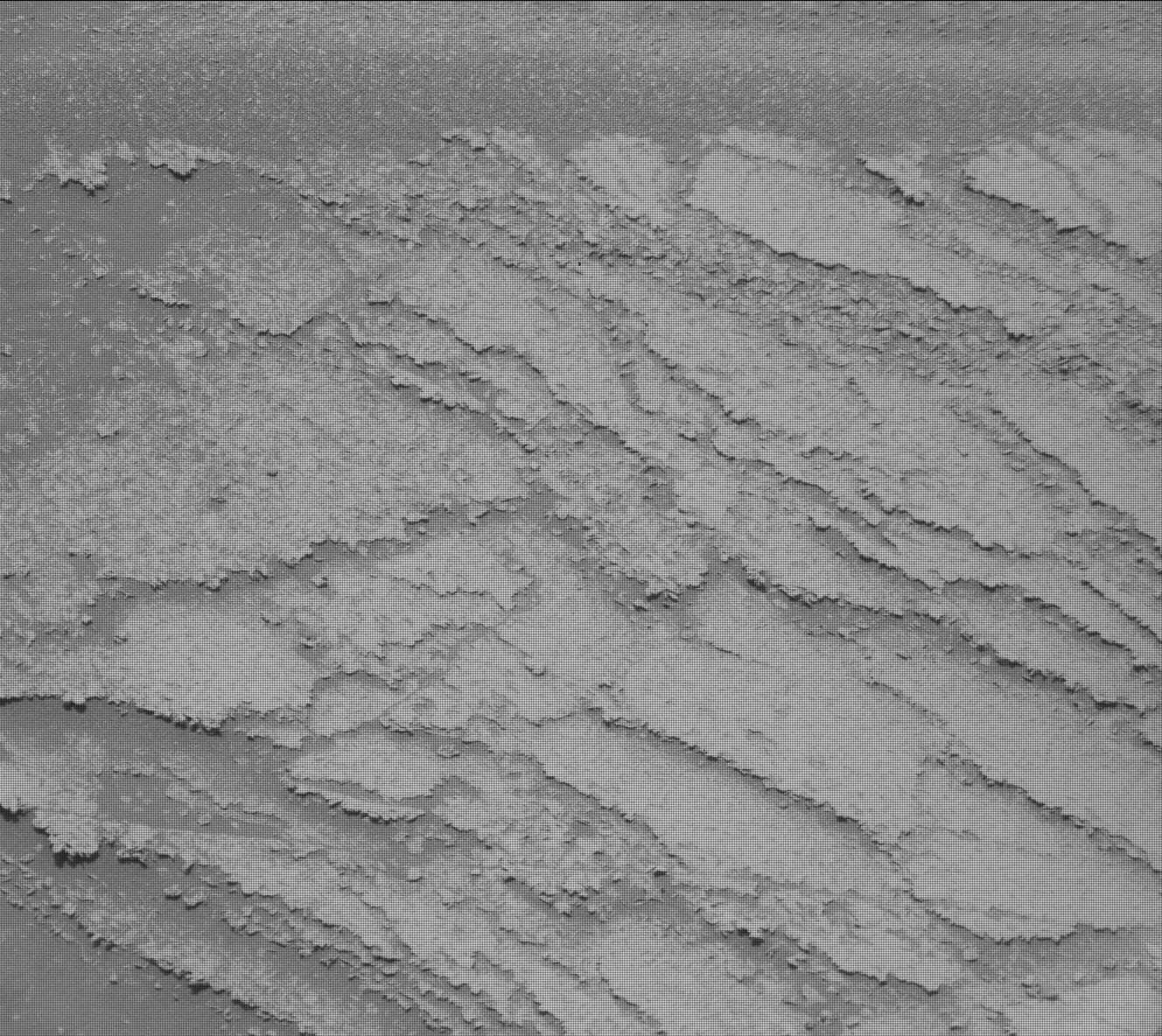
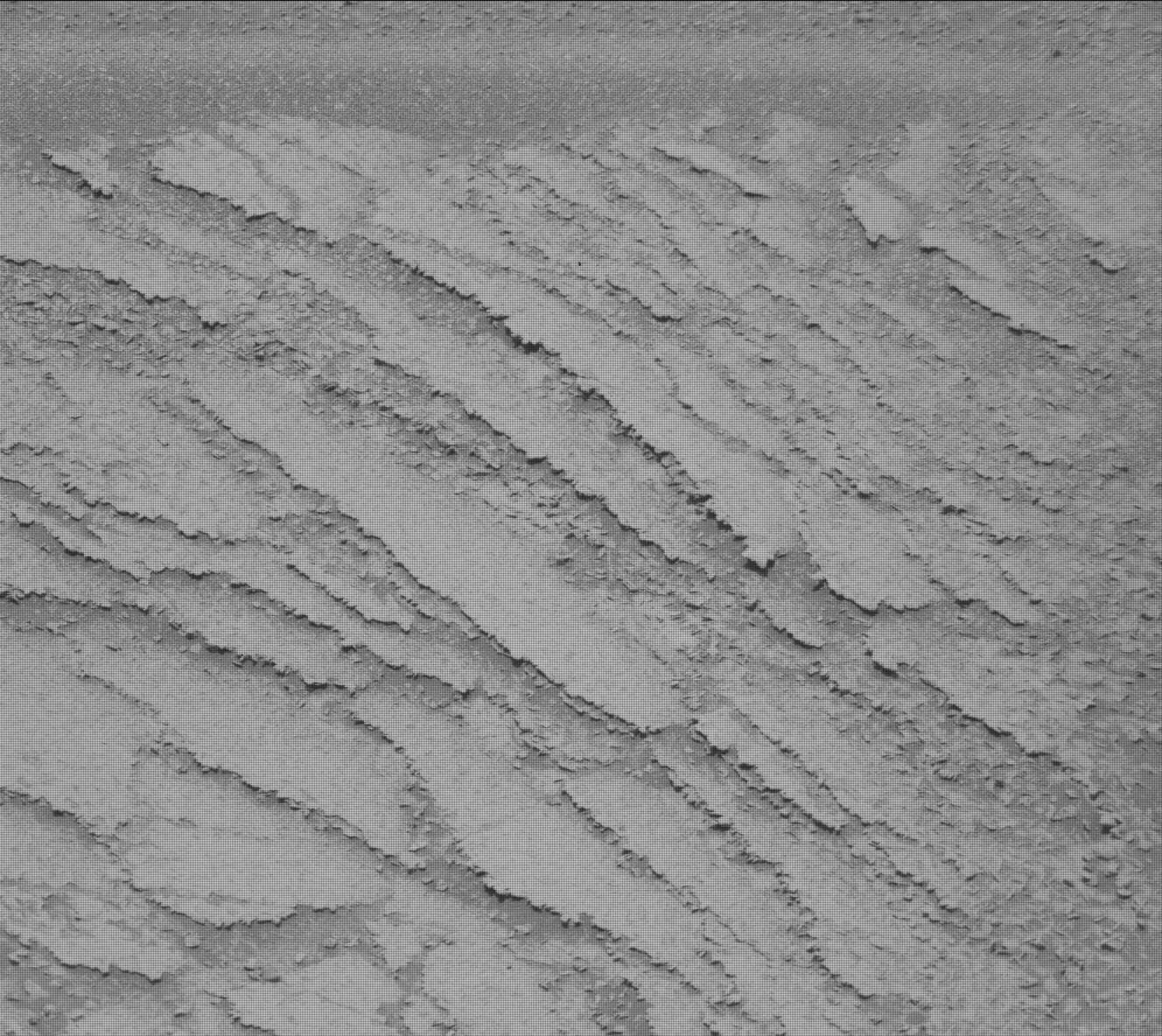
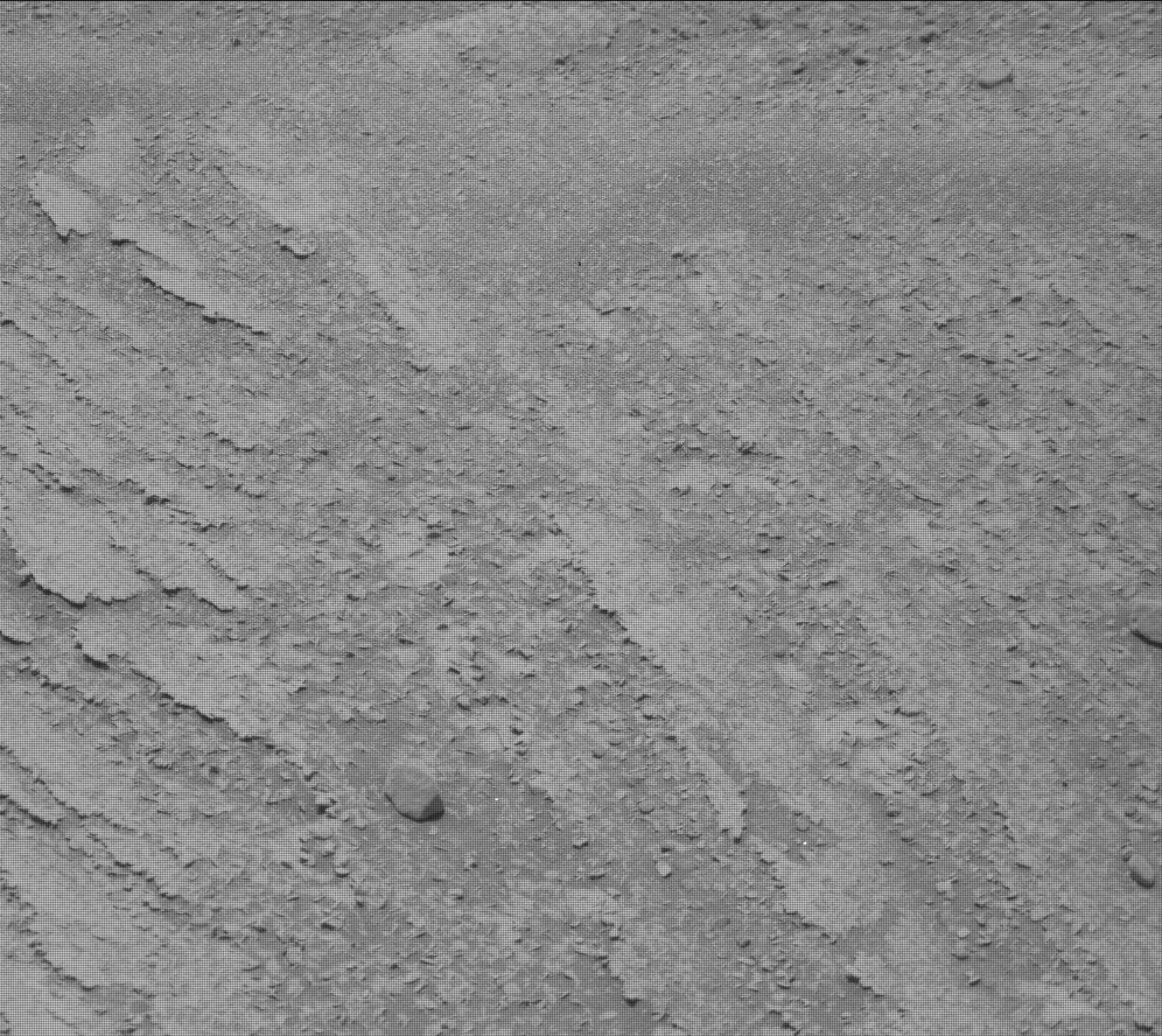
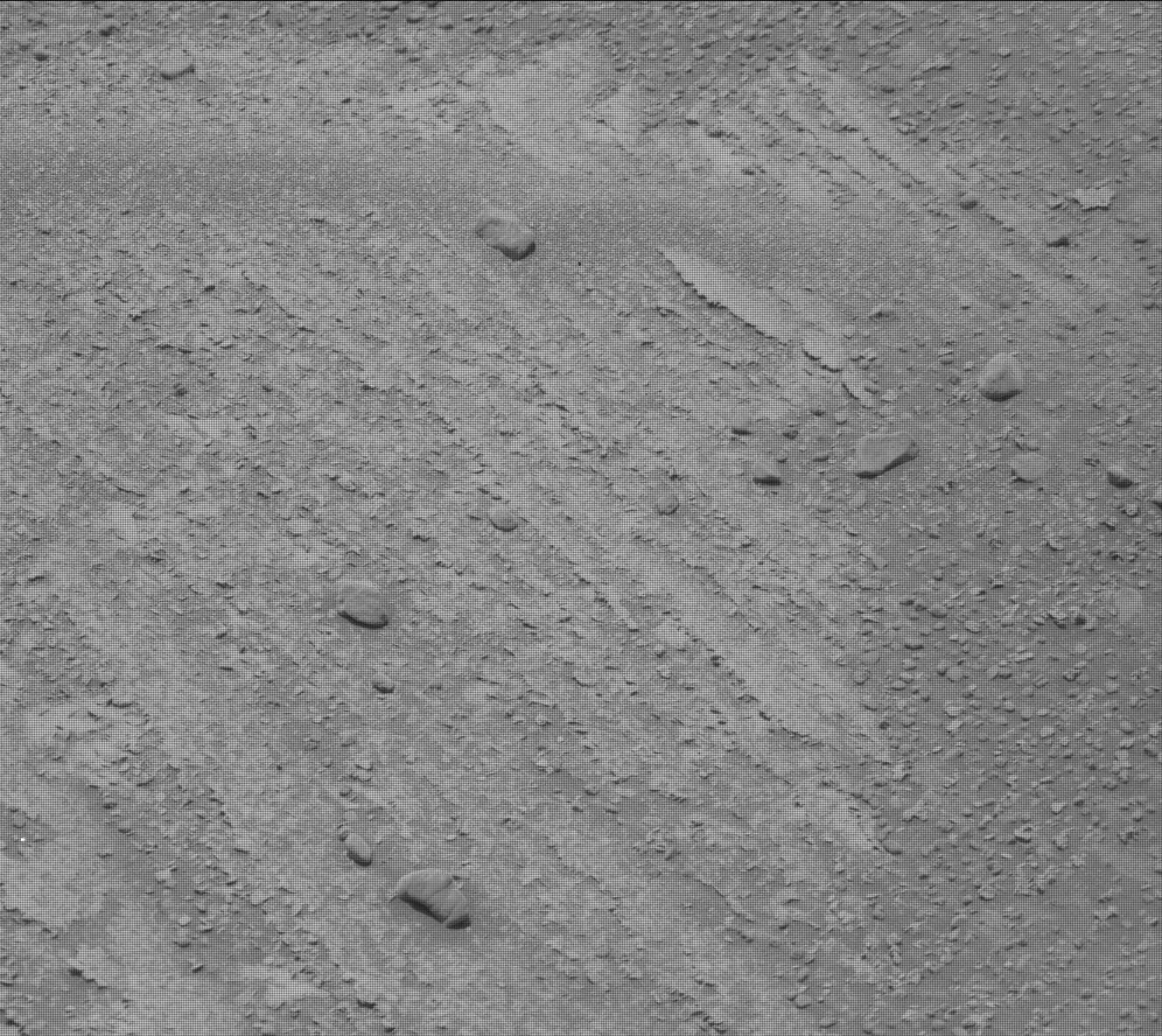
Confira as fotos mais recentes capturadas pelo rover Curiosity em Marte.


FILTRE UMA DATA
Navegue pelas fotos tiradas pelo Curiosity em diferentes datas
DESTAQUES DA MISSÃO
Principais descobertas e momentos da missão do Curiosity em Marte.

Landing in Gale Crater
Curiosity successfully landed in Gale Crater using the innovative 'Sky Crane' system, marking a major achievement in Mars exploration technology.
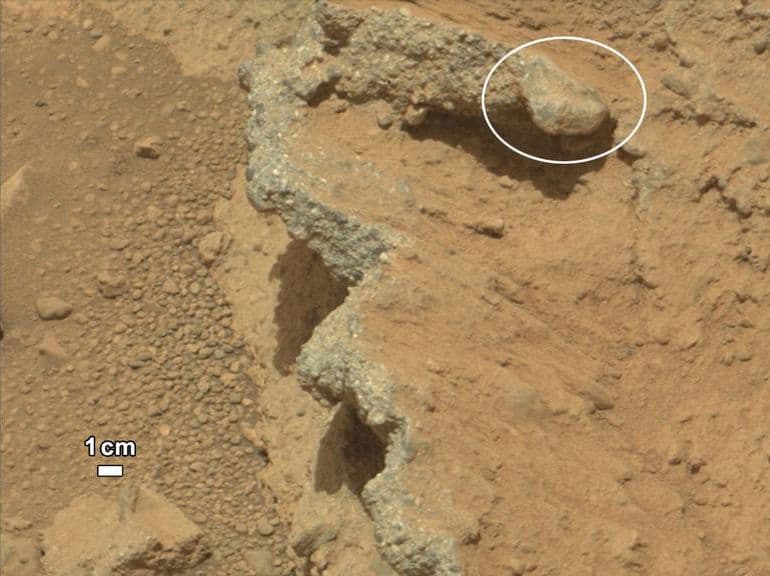
Discovery of Ancient Streambed
The rover found evidence of an ancient streambed where water once flowed, supporting the hypothesis that Mars once had conditions suitable for life.

Drilling at Yellowknife Bay
Curiosity performed its first drilling operation at Yellowknife Bay, collecting samples that revealed the presence of key chemical ingredients for life.

Reaching Mount Sharp
After a two-year journey, Curiosity reached the base of Mount Sharp (Aeolis Mons), the central peak of Gale Crater and a primary scientific target.