VOLTAR PARA PÁGINA INICIAL
PRÓXIMOS LANÇAMENTOS
Acompanhe os próximos lançamentos espaciais programados. Fique por dentro das missões que estão prestes a decolar e expandir nosso conhecimento do cosmos.
Período:
Provedor:
Carregando lançamentos...

Acompanhe os próximos lançamentos espaciais programados. Fique por dentro das missões que estão prestes a decolar e expandir nosso conhecimento do cosmos.
Carregando lançamentos...

First launch of 24 Rivada Outernet communication satellites. Rivada Space Networks aims to deliver gigabit-speed internet globally, including the polar regions, bypassing the public internet and third-party infrastructure. The project rests on a constellation of 600 LEO satellites called the "Outernet", placed at an orbit of 1050km. This network is designed as a second internet backbone in space, capable of routing traffic from one satellite to another with no need for a gateway on earth until the data reaches its destination.
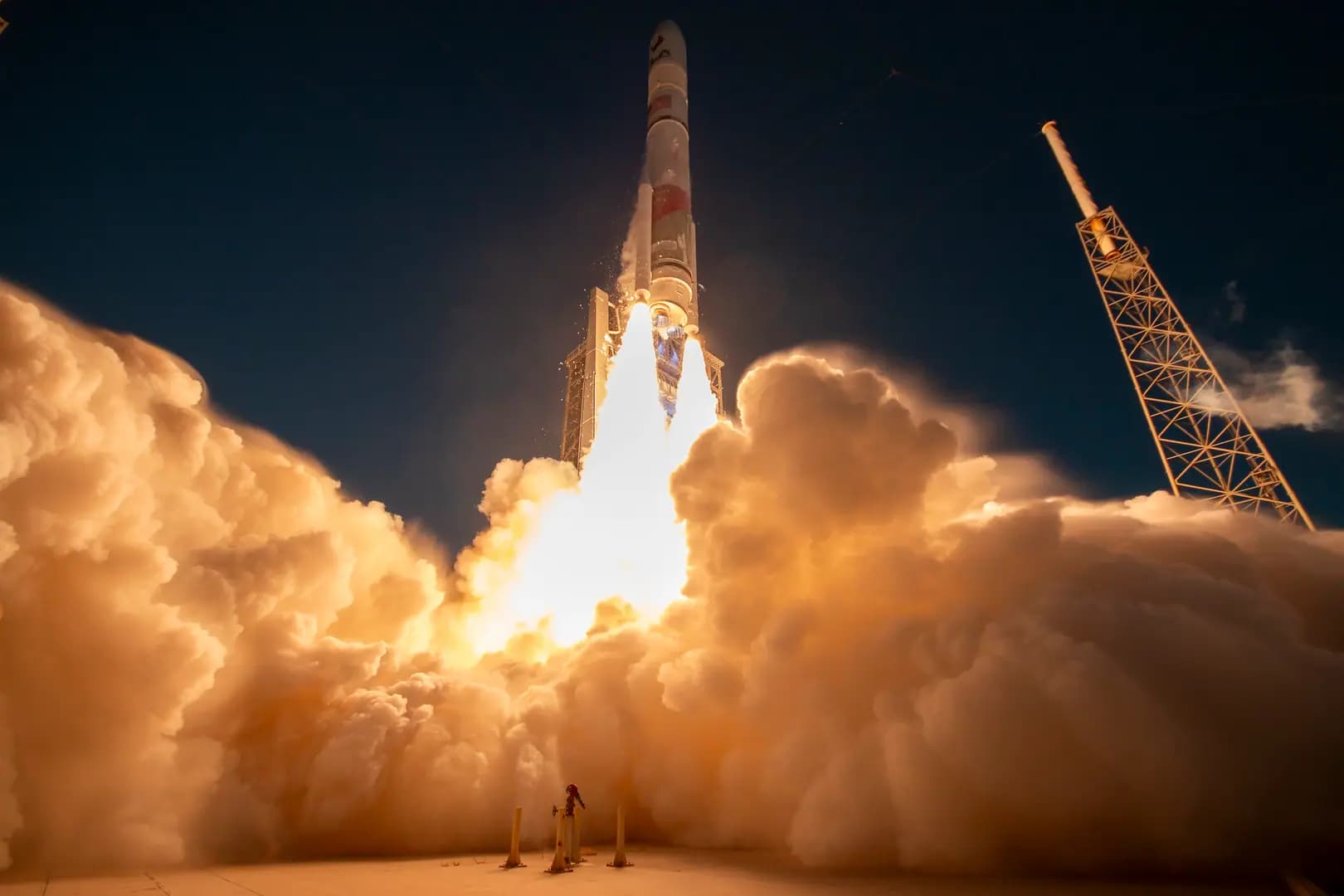
This is a classified National Reconnaissance Office mission launching on a United Launch Alliance Vulcan rocket from Space Launch Complex 41 at Cape Canaveral Space Force Station. The launch date has not been announced.
USSF-57 will launch NGG-1, the first Next-Generation Overhead Persistent Infrared (NG-OPIR) geostationary missile-warning satellite, on a United Launch Alliance Vulcan rocket from Space Launch Complex 41 at Cape Canaveral Space Force Station. Built by Lockheed Martin for the U.S. Space Force, NGG-1 is intended to begin replacing the Space-Based Infrared System (SBIRS) constellation with a more survivable strategic missile-warning spacecraft. The launch date has not been announced.
First Amazon Leo mission on Blue Origin's New Glenn (New Glenn flight NG-4), carrying 48 Amazon Leo broadband satellites to low Earth orbit. It is the first of 24 Amazon Leo launches contracted on New Glenn.
China's Chang'e-7 lunar south pole mission, made up of an orbiter, a lander, a rover and a hopper, launching on a Long March 5 from Wenchang. The lander's destination is the edge of Shackleton Crater, and the hopper will jump from sunlit areas into shadowed craters to search for water ice. Launch had been targeted for Aug. 24, 2026, but on Aug. 23, 2026 China announced the mission did not meet launch conditions and could not fly in this year's planned window.
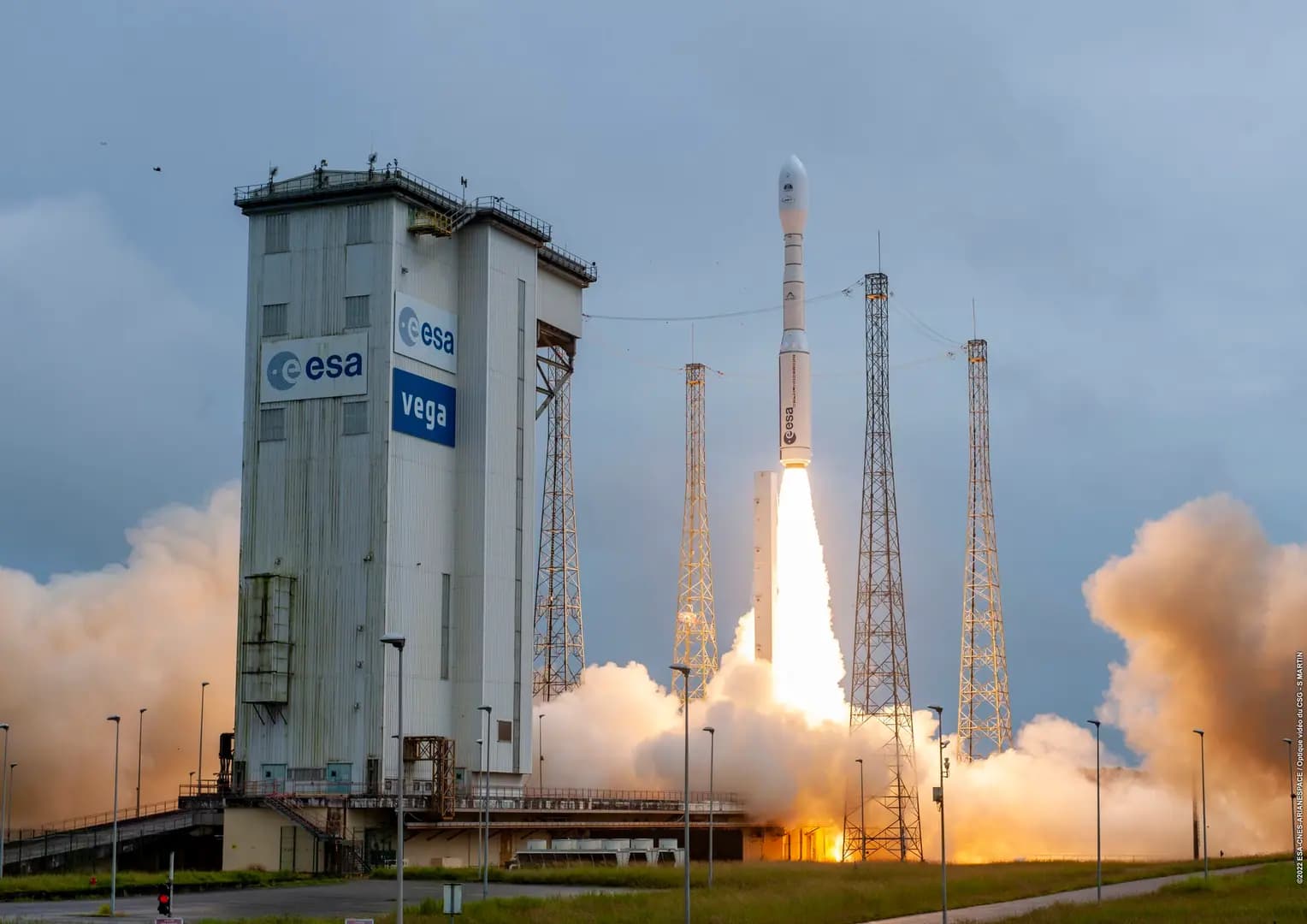
This mission will launch the first of ten data-center satellites for Cloud Constellation Corporation's SpaceBelt constellation on a Vega C rocket from the Guiana Space Centre. SpaceBelt is planned as a space-based cloud-storage network, with satellites linked to one another and intended to provide secure data storage in orbit. The launch date has not been announced.
This mission is an early launch of the U.S. Space Development Agency's Tranche 2 Transport Layer, the communications backbone of the Proliferated Warfighter Space Architecture, on a SpaceX Falcon 9 rocket from Vandenberg Space Force Base. The Transport Layer is intended to provide low-latency tactical data transport and sensor-to-shooter connectivity. The launch date has not been announced.
First demonstration flight of PLD Space's Miura 5, a two-stage, small-lift orbital launcher fueled by kerosene and liquid oxygen, from the Guiana Space Centre (CSG) in Kourou, French Guiana. PLD Space targets the first half of 2027.
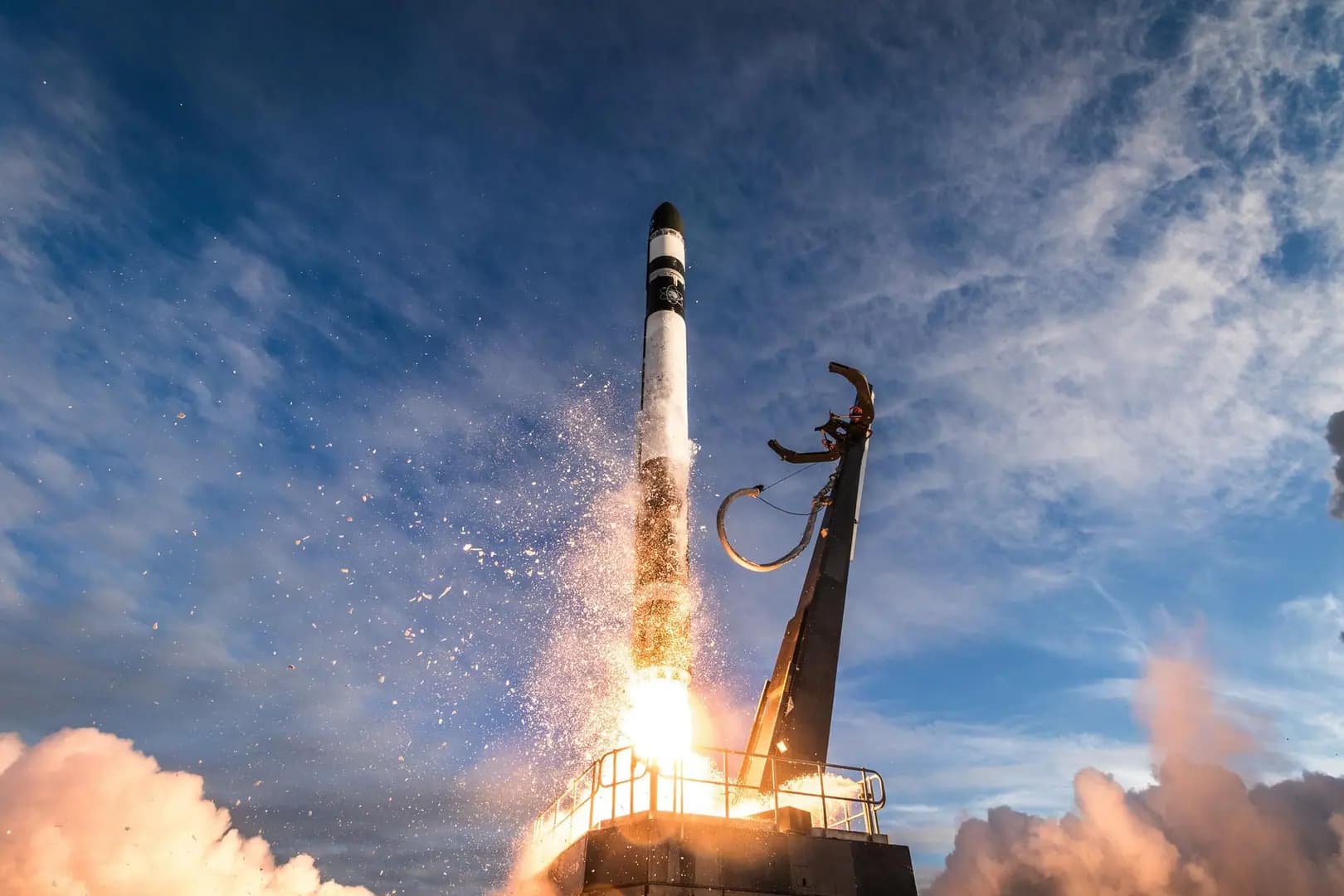
Rocket Lab will fly a dedicated Electron launch for NASA's TSIS-2 mission from Launch Complex 1 in Mahia, New Zealand, in early 2027. TSIS-2 will measure the Sun's total and spectral irradiance at the top of Earth's atmosphere to support climate and atmospheric science.
Rocket Lab will fly three HASTE (Hypersonic Accelerator Suborbital Test Electron) hypersonic test missions for Anduril Industries from Launch Complex 2 in Virginia. The first flight is planned within about 12 months of the May 2026 contract award, and individual mission names and exact dates have not been disclosed.