VOLTAR PARA PÁGINA INICIAL
PRÓXIMOS LANÇAMENTOS
Acompanhe os próximos lançamentos espaciais programados. Fique por dentro das missões que estão prestes a decolar e expandir nosso conhecimento do cosmos.
Período:
Provedor:
Carregando lançamentos...

Acompanhe os próximos lançamentos espaciais programados. Fique por dentro das missões que estão prestes a decolar e expandir nosso conhecimento do cosmos.
Carregando lançamentos...
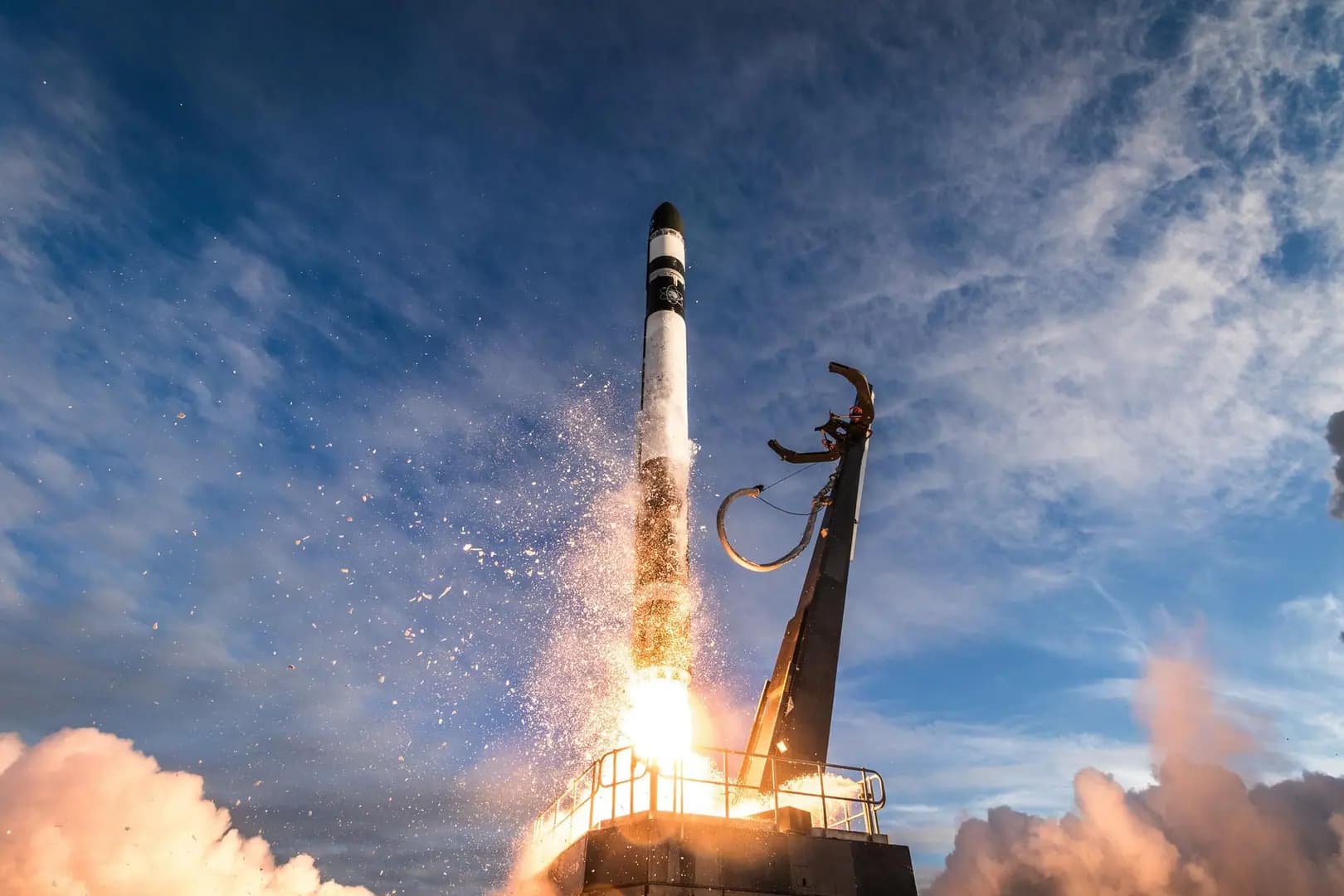
Rocket Lab will fly a dedicated Electron mission for BlackSky Technology to deploy a satellite for its AI-enabled Gen-3 Earth observation constellation. The launch is one of four new dedicated Electron missions BlackSky booked in February 2026. That deal brought BlackSky's total Electron launches since 2019 to 17.
Rocket Lab will fly a dedicated Electron mission for BlackSky Technology to deploy another satellite for its AI-enabled Gen-3 Earth observation constellation. The launch is one of four new dedicated Electron missions BlackSky booked in February 2026. That deal brought BlackSky's total Electron launches since 2019 to 17.
Rocket Lab will fly a dedicated Electron mission for BlackSky Technology to deploy another satellite for its AI-enabled Gen-3 Earth observation constellation. The launch is one of four new dedicated Electron missions BlackSky booked in February 2026. That deal brought BlackSky's total Electron launches since 2019 to 17.
Rocket Lab will launch a QPS-SAR synthetic aperture radar satellite for the Japanese Earth-imaging company iQPS on an Electron rocket from Launch Complex 1 in New Zealand. This will be Rocket Lab's 12th Electron launch for iQPS, which has booked 18 Electron launches in total to build out its QPS-SAR constellation.
Rocket Lab will launch a QPS-SAR synthetic aperture radar satellite for the Japanese Earth-imaging company iQPS on an Electron rocket from Launch Complex 1 in New Zealand. It is part of a three-launch deal iQPS signed in July 2026, with these missions scheduled from late 2027 to deliver one satellite each to a 575 km low Earth orbit.

Dragonfly is the fourth mission of NASA's New Frontiers program, and it will send a first-of-its-kind rotorcraft to fly between locations on Saturn's moon Titan. The rotorcraft will collect samples of surface material at a variety of geologic sites to study Titan's habitability and how far prebiotic chemistry has progressed there. It is scheduled to launch no earlier than July 2028 and arrive at Titan in late 2034.
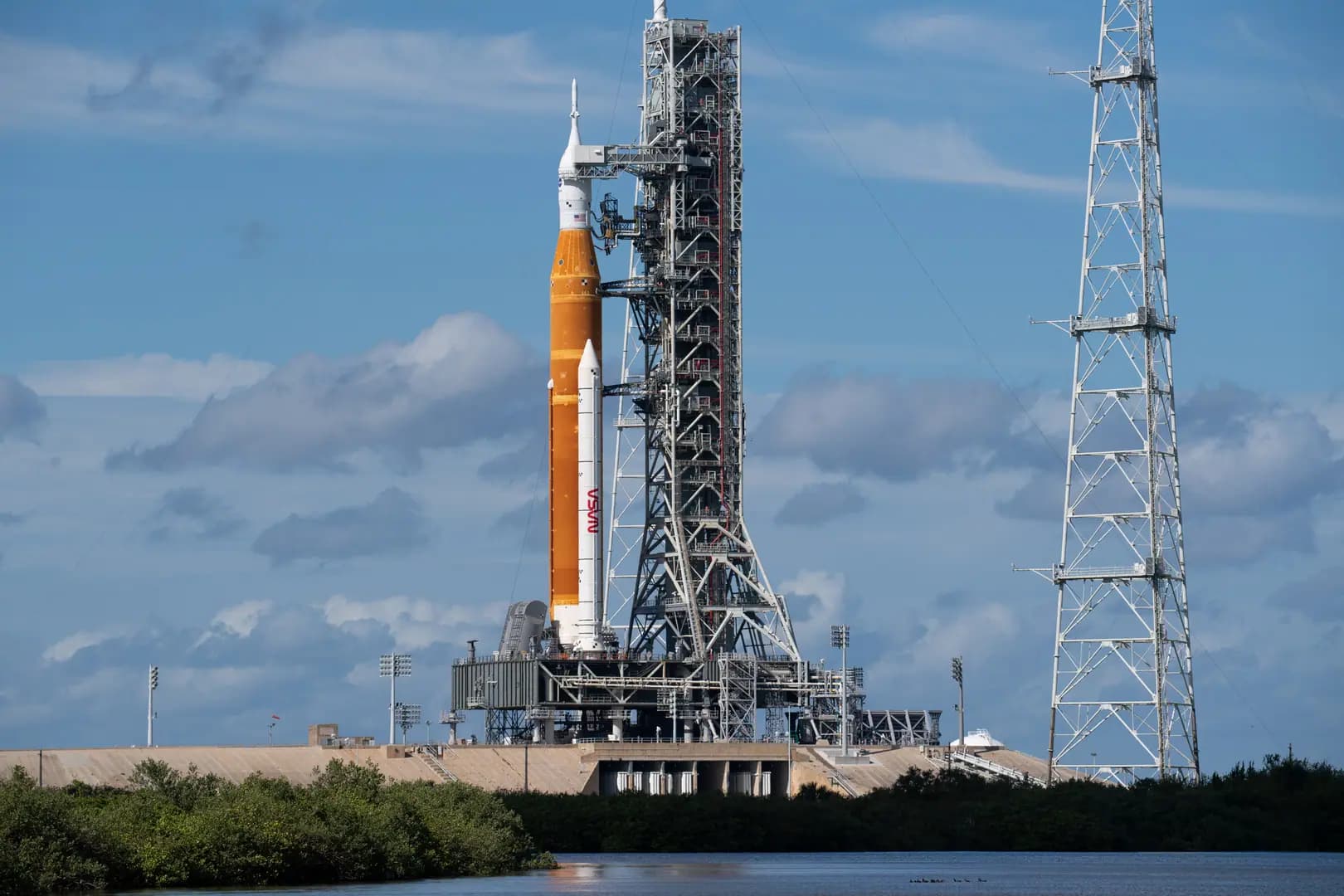
Artemis IV will be the first crewed moon landing since Apollo 17 back in 1972. The SLS (Space Launch System) will be launched by NASA and the moon lander, either Blue Origin’s Blue Moon or SpaceX’s HLS will dock with the Orion spacecraft.
ESA's Rosalind Franklin rover will be the first Mars rover to search for signs of past or present life below the planet's surface, and it will collect samples at its landing site in Oxia Planum. NASA is providing the Falcon Heavy launch from Launch Complex 39A at Kennedy Space Center, along with the lander's braking engines and radioisotope heater units, and the mission is targeting a launch no earlier than late 2028.
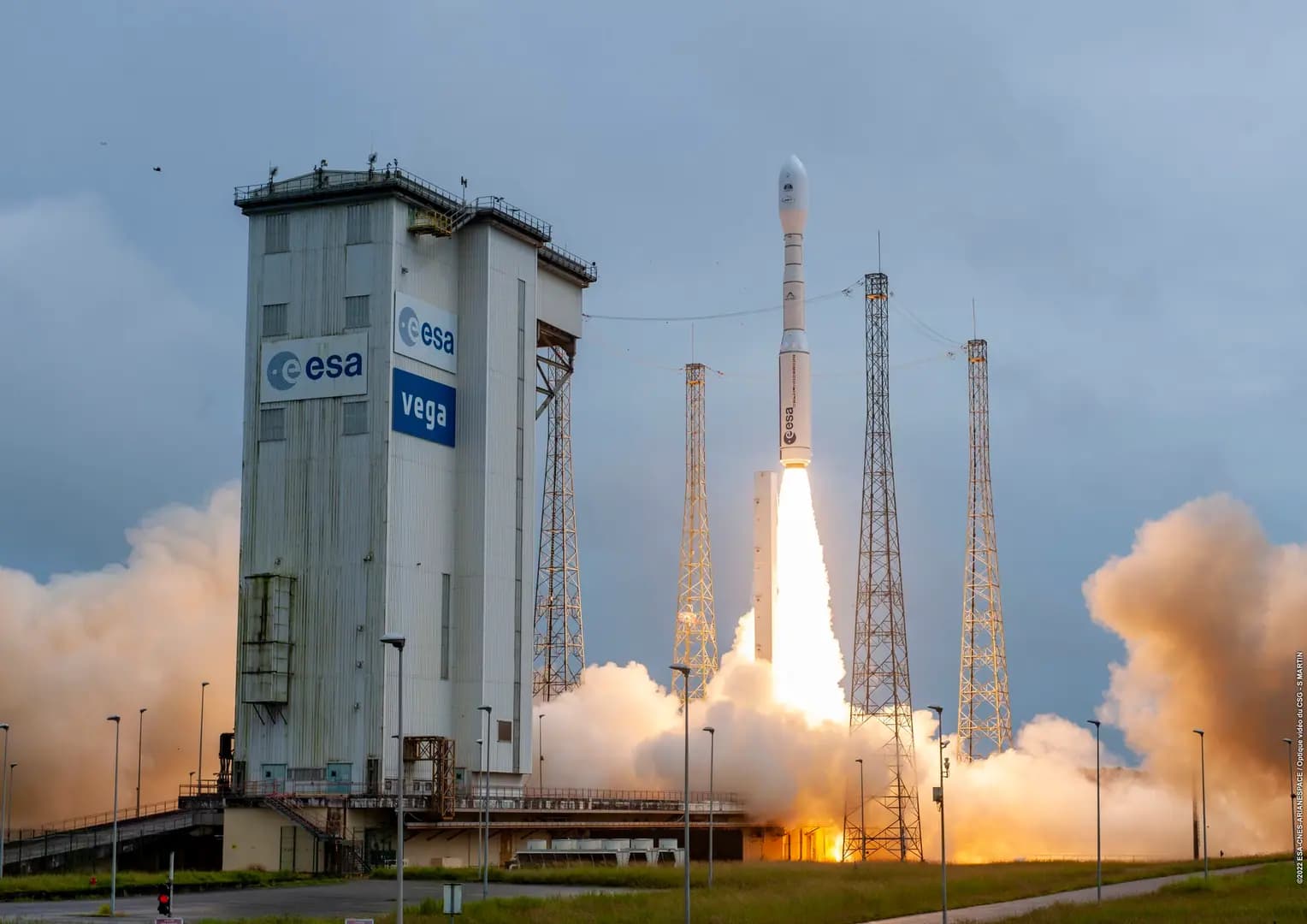
ALTIUS (Atmospheric Limb Tracker for Investigation of the Upcoming Stratosphere) is a satellite mission proposed by the Belgian Institute for Space Aeronomy, developed in collaboration with the European Space Agency. Its primary goal is to track the distribution and changes in stratospheric ozone, a crucial component of the Earth's atmosphere that helps protect the planet from harmful ultraviolet radiation.
Sem descrição disponível