
On March 6, 2023, the Arctic sea ice pack appeared to reach its maximum extent for this winter, at 14.62 million square kilometers, or 5.64 million square miles, according to the National Snow and Ice Data Center. Fieldwork and satellites like NASA’s ICESat-2 satellite are monitoring the changing ice pack, and helping to predict how the ice will change in the future. Sea ice is frozen seawater that floats on the ocean surface. It forms in both the Arctic and the Antarctic in each hemisphere’s winter; it retreats in the summer, but does not completely disappear. This floating ice has a profound influence on the polar environment, influencing ocean circulation, weather, and regional climate. Since 1979, satellites have provided a consistent continuous record of sea ice. Through 2015, the average monthly September extent of Arctic sea ice has declined by 13.4 percent per decade relative to the average from 1981 to 2010. Declines are occurring in every geographic area, in every month, and every season. Natural variability and rising temperatures linked to global warming appear to have played a role in this decline. The Arctic may be ice-free in summer before the end of this century.
Arctic Sea Ice Hits 2023 Maximum
As the Arctic hits the annual maximum melt season begins. Studies are showing greater melt and thinner ice.

NASA
Agência Espacial Americana
NOTÍCIAS RELACIONADAS

NASA Tests Dual Mode Propulsion CubeSat Ahead of Launch
Spacecraft propulsion traditionally relies on volatile fuels and separate, bulky systems for different types of maneuvering in space. NASA is working to change that paradigm. Engineers at NASA’s Marshall Space Flight Center in Huntsville, Alabama, recently completed a rigorous series…
Ler mais
2026-2027 DWU: High School Engineering Challenge
2026-2027 DWU: High School Engineering Challenge Challenge Materials Overview The 2026-2027 challenge theme is, “Fueling Flight Design Challenge: New Energy Systems.” As more and more aircraft are a part of the US’ National Airspace System (NAS), NASA and partners at…
Ler mais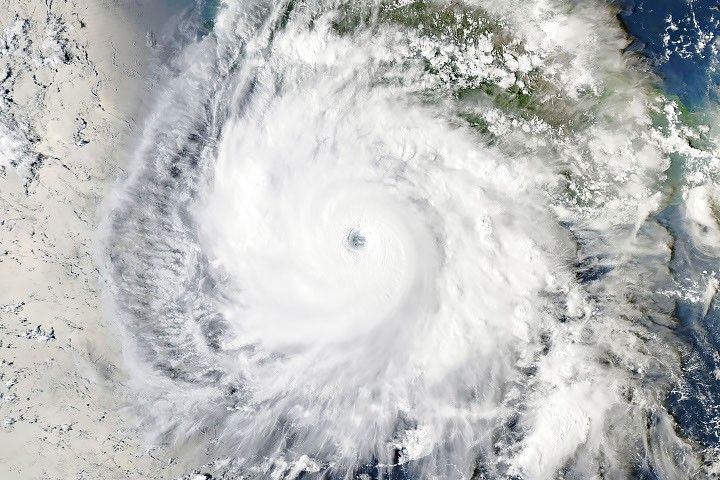
Explosive Intensification for Hurricane Polo
Several ingredients came together off the Pacific coast of Mexico to generate one of the strongest storms the eastern Pacific basin has ever seen.
Ler mais