
NASA's Orbiting Carbon Observatory (OCO) satellites have found that carbon sinks might be changing. We power our daily lives mainly by burning fossil fuels, and this adds greenhouse gases to the air, warming the planet. That's where trees, the ocean, and soil and grasslands come in. They reduce the amount of carbon dioxide in the air. When something takes carbon away from the air, it's called a sink. But NASA's satellites have found these sinks might be changing. Could it be that our sinks stop removing carbon from the air, and add more instead? Let's take a look.
Voltar às notícias
FONTE: NASA
Are Earth’s carbon sinks changing?
NASA’s Orbiting Carbon Observatory (OCO) satellites have found that carbon sinks might be changing.
07 de dezembro de 2023
há quase 3 anos
1 min read de leitura

NASA
Agência Espacial Americana
NOTÍCIAS RELACIONADAS
há cerca de 15 horas
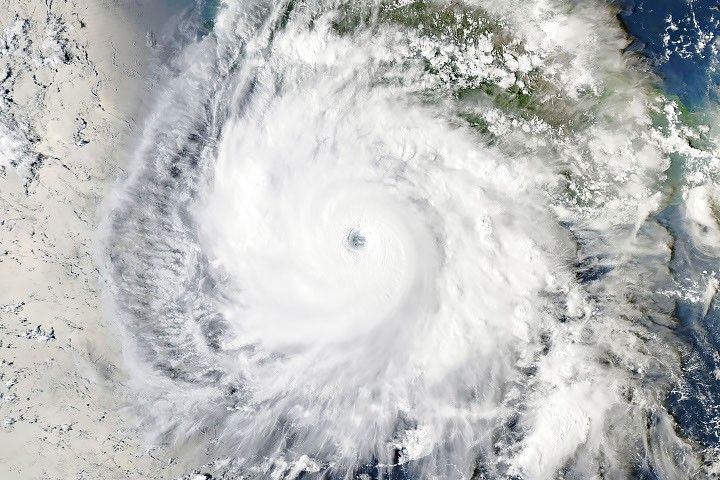
Explosive Intensification for Hurricane Polo
Several ingredients came together off the Pacific coast of Mexico to generate one of the strongest storms the eastern Pacific basin has ever seen.
Ler mais
há 1 dia
NASA Welcomes Côte d’Ivoire as Newest Artemis Accords Signatory
Côte d’Ivoire signed the Artemis Accords on Thursday, becoming the 75th signatory and marking a major milestone for this growing coalition. With the signing ceremony in the nation’s largest city, Abidjan, Côte d’Ivoire joined other like-minded nations and committed to…
Ler mais