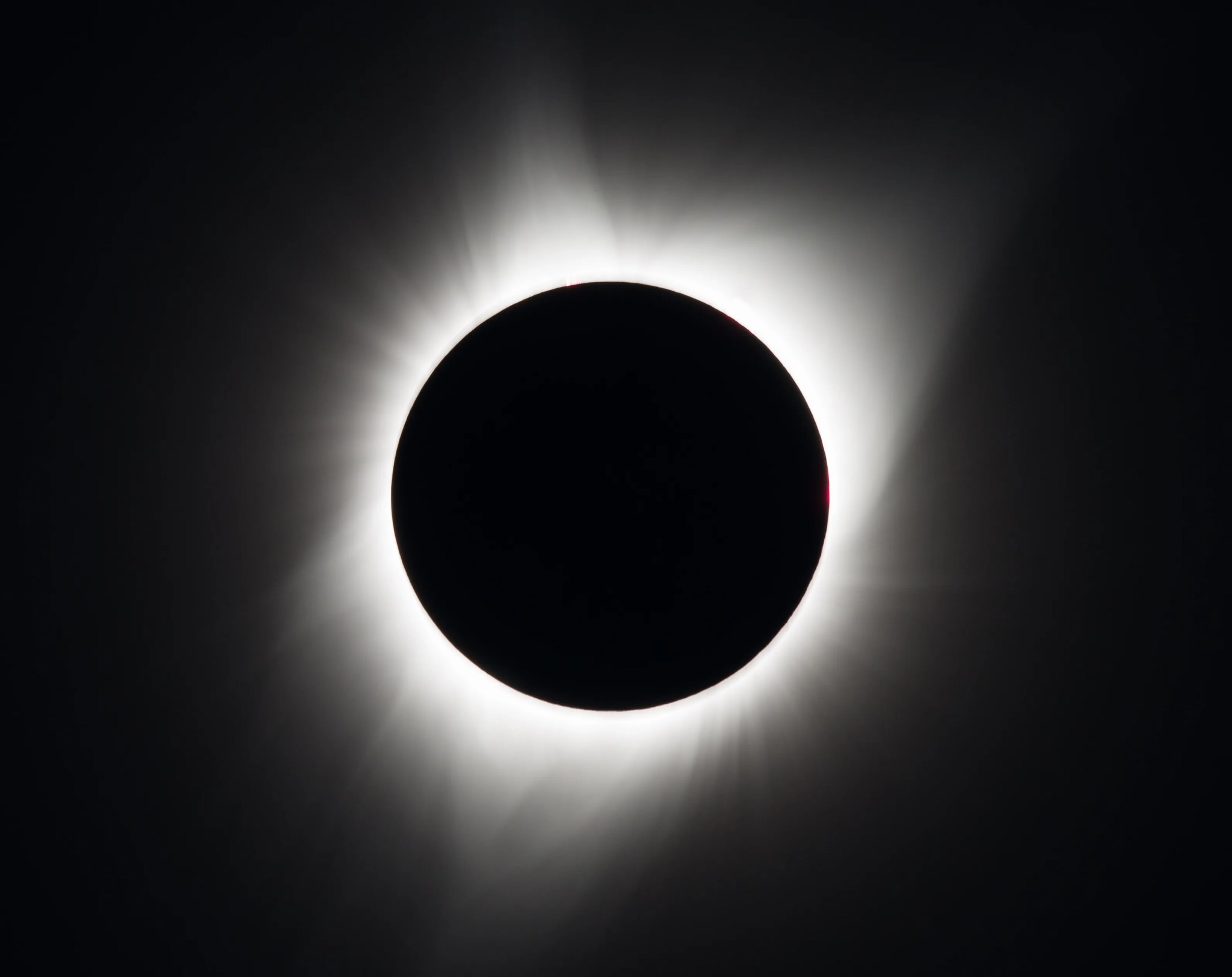
As the Sun temporarily disappears from midday skies over North America on April 8, 2024, hundreds of volunteers will capture photos of the total solar eclipse to help us better understand the Sun and its relationship with Earth.
These photographers will be participating in three NASA-funded citizen science projects to study the Sun’s ghostly outer atmosphere – the corona – during totality, when the Moon completely covers the bright disk of the Sun and the corona is revealed.
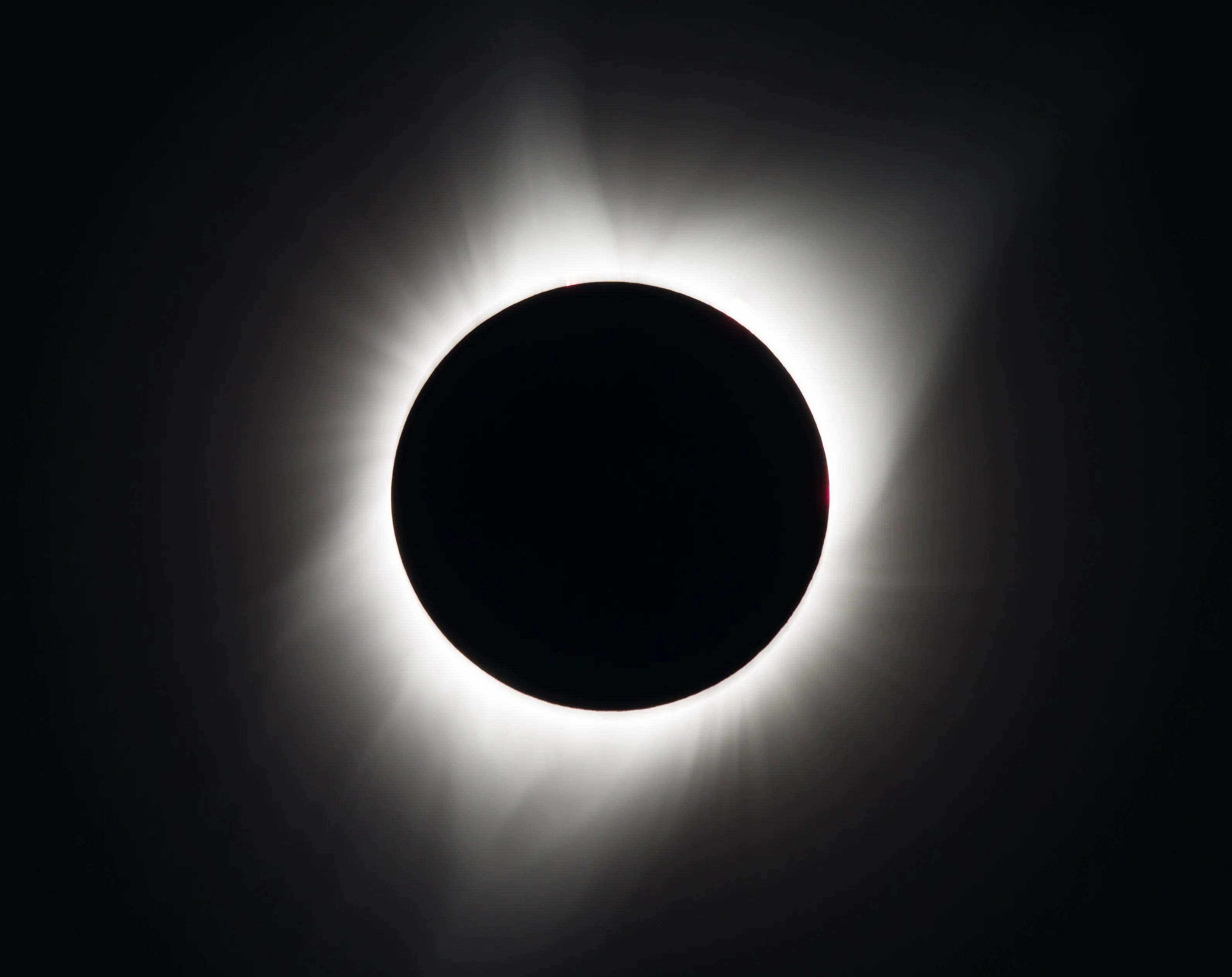
The corona is the birthplace of the solar wind – a constant stream of particles and material flowing from the Sun that impacts Earth and other planets. The best time to see the full range of dynamics in the corona is during a total solar eclipse.
However, in any one location along April’s eclipse path, totality will last less than four and a half minutes – not long enough to watch the corona change. By staging observers all along the eclipse path, though, these NASA projects hope to essentially extend totality for over 90 minutes – the time it takes for the Moon’s shadow to cross from Mexico to Canada. Afterward, the projects will combine their images into “movies” revealing activity in the corona that would otherwise be hard to see.