
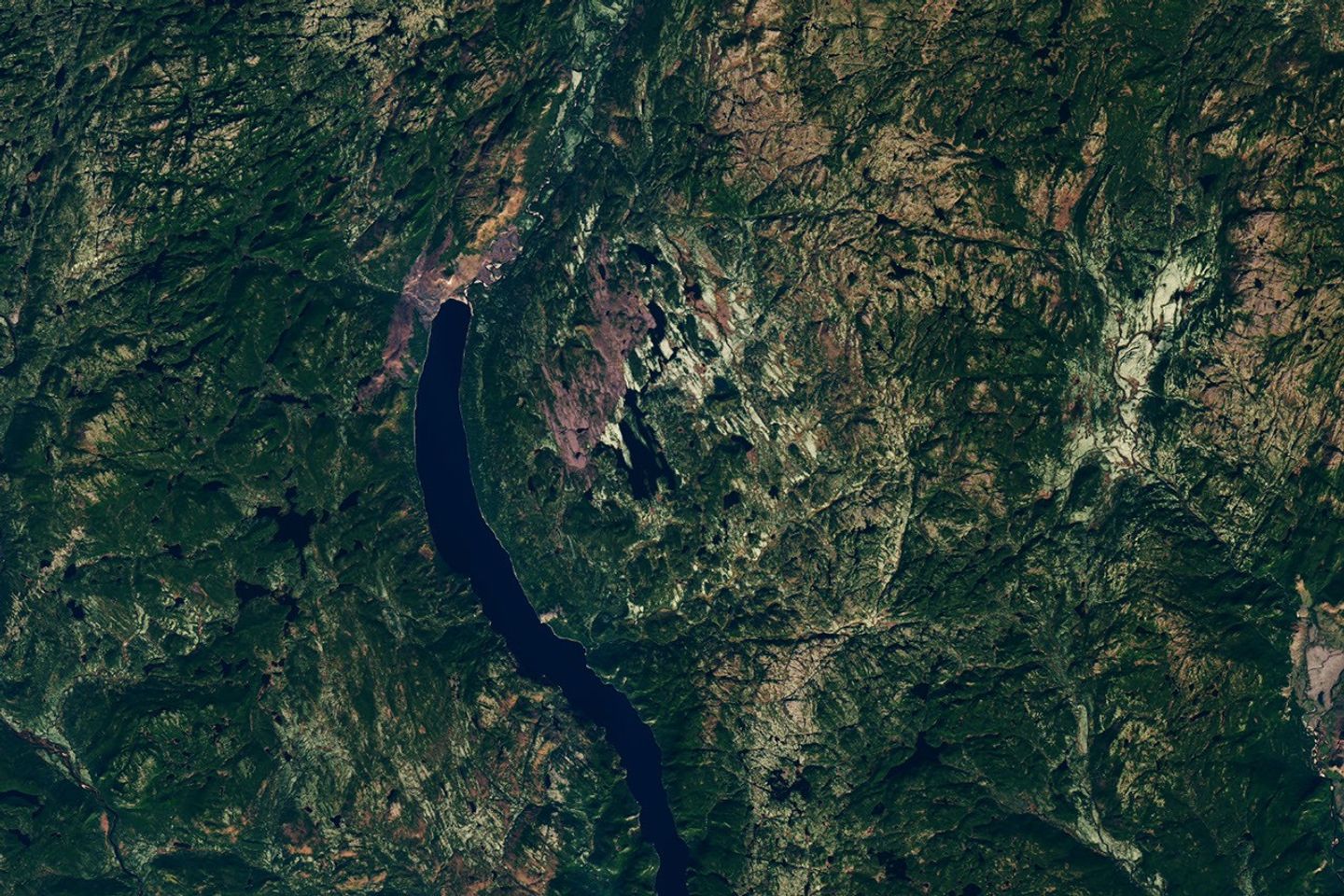
Coldwater fish like trout are particularly vulnerable to climate change. Seth Wenger, Associate Professor of Ecology at the University of Georgia, developed the “Multiple Population Viability Analysis” (MPVA) tool, which uses NASA satellite data to forecast the future of trout populations. MPVA allows scientists and conservationists to assess population dynamics, habitat quality, and extinction risks for fish species. Federal agencies, nonprofits, and other stakeholders can use MPVA to guide restoration and management efforts to protect these species under a changing climate.
Voltar às notícias
FONTE: NASA
Forecasting the Future: How NASA Satellite Data Helps Trout Populations
Forecasting the Future: How NASA Satellite Data Helps Trout Populations
03 de agosto de 2026
há cerca de 2 meses
NASA
Agência Espacial Americana
NOTÍCIAS RELACIONADAS

há cerca de 18 horas
NASA Astronaut to Answer Questions from New Hampshire Students
Editor’s Note: This feature was updated Sept. 22, 2026, to note the time change for the in-flight call with students. Students in New Hampshire will hear from NASA astronaut Anil Menon as he answers prerecorded STEM questions while aboard the International…
Ler mais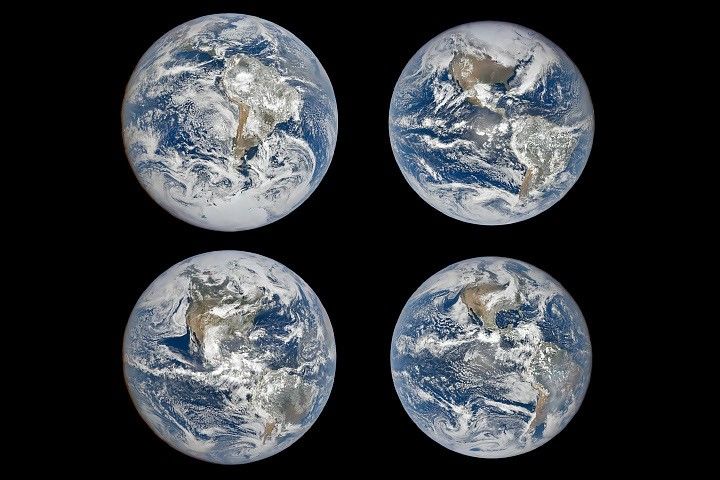
há cerca de 18 horas
An Epic View of the Seasons
The tilt in Earth’s axis of rotation makes the apparent position of continents shift with the seasons in imagery from a NASA camera in deep space.
Ler mais
há 1 dia
Embracing the Equinox
Depending on your locale, equinoxes can be seen as harbingers of longer nights and gloomy weather, or promising beacons of nicer temperatures and more sunlight. Observing and predicting equinoxes is one of the earliest skills in humanity’s astronomical toolkit. Many…
Ler mais