Manil Maskey (IMPACT/ST11) gave a keynote speech titled “AI for NASA Science: A data-centric perspective” at the International Workshop on Machine Learning and Data Management for Earth Observation organized by TU Berlin. This event spotlighted the convergence of machine learning and data management within the Earth Observation (EO) domain. Maskey’s presentation underscored the critical role of AI in transforming NASA’s scientific endeavors, emphasizing a data-centric approach to enhance research and operational capabilities. The event included talks by experts, alongside poster sessions and a panel discussion and served as a platform to discuss innovative methodologies at the intersection of Data Management and Machine Learning. These engagements fostered a collaborative environment for addressing current challenges and sketching out the future trajectory of Data Management and Machine Learning in the realm of Earth Observation.
Keynote Address at the International Workshop on Machine Learning and Data Management for Earth Observation

NASA
Agência Espacial Americana
NOTÍCIAS RELACIONADAS

NASA Modernizes Commercial Airline Systems
NASA’s researchers know that when you settle into your seat on a commercial flight, you expect a smooth takeoff, views over the clouds, a steady descent, and hopefully an early arrival at your destination. But when your flight gets delayed…
Ler mais
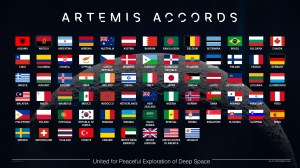
NASA Welcomes Croatia as Newest Artemis Accords Signatory
The Republic of Croatia became the 74th signatory to the Artemis Accords on Wednesday during a ceremony in the capital city of Zagreb with NASA and U.S. Department of State officials present. “It is my privilege to welcome the Republic…
Ler mais
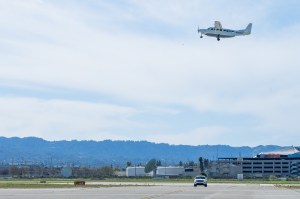
NASA Aircraft to Make Low-Altitude Research Flights Over Colorado
Agricultural emissions represent an important and understudied part of Earth’s land and atmosphere systems. The FarmFlux mission will deploy more than a dozen sensors to measure ozone, methane, ammonia, particulates, and other pollutants rising from agricultural lands and animal farms and the interaction with the Earth’s atmosphere.…
Ler mais