
Researchers have now gathered a complete year of PACE data to tell a story about the health of land vegetation by detecting slight variations in leaf colors. Previous missions allowed scientists to observe broad changes in chlorophyll, the pigment that gives plants their green color and also allows them to perform photosynthesis. But PACE now allows scientists to see three different pigments in vegetation: chlorophyll, anthocyanins, and carotenoids. The combination of these three pigments helps scientists pinpoint even more information about plant health.
Voltar às notícias
FONTE: NASA
Leaf Year: Seeing Plants in Hyperspectral Color
Leaf Year: Seeing Plants in Hyperspectral Color
01 de agosto de 2026
há cerca de 2 meses
NASA
Agência Espacial Americana
NOTÍCIAS RELACIONADAS
há 1 dia
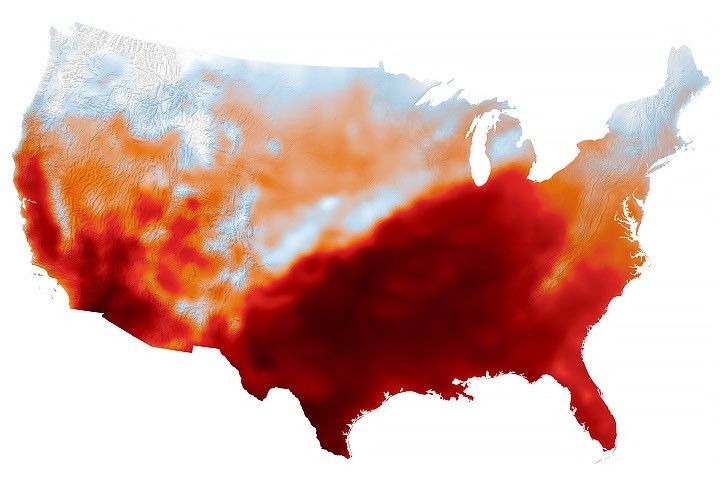
Summer Goes Out With a Heat Dome
Temperature records toppled across the central and southern U.S. as the autumnal equinox approached.
Ler mais
há 2 dias
Passion Meets Precision at NASA’s Flight Research Lab
Long before they helped shape NASA’s future aerospace breakthroughs, Derek Abramson, Justin Hall, and Justin Link were in their garages and homes building radio‑controlled aircraft, testing new ideas, and flying their creations at hobby events. That early passion now fuels…
Ler mais
há 2 dias
Curiosity Postcard Celebrates Rover’s 5,000th Day on Mars
Description While parked at a sand ridge nicknamed “Chocolatal,” NASA’s Curiosity Mars rover used its black-and-white navigation cameras to capture panoramas at two times of day. The first was taken on Aug. 30, 2026, at 9:56 a.m. local Mars time;…
Ler mais