
Between September 2019 and March 2020, wildfires killed billions of animals and decimated more than 200 thousand square kilometers of Australian forest, an area larger than Nebraska. Later, thousands of kilometers away in the Southern Ocean, massive algae blooms covered a surface larger than the area of Australia itself. The connection between these major wildfires and the subsequent explosion of phytoplankton production is an example of the events NASA's upcoming Plankton, Aerosols, Clouds, and ocean Ecosystem (PACE) mission will help investigate. PACE's suite of instruments will allow scientists to get a clearer picture of carbon as it links land use and fires, atmospheric aerosols and marine communities, and ultimately improves those uncertain the data we put into climate models.
Tracking Carbon from Wildfires to Ocean Blooms
The PACE mission begins to study the connection of major wildfires to subsequent explosion of phytoplankton production.

NASA
Agência Espacial Americana
NOTÍCIAS RELACIONADAS
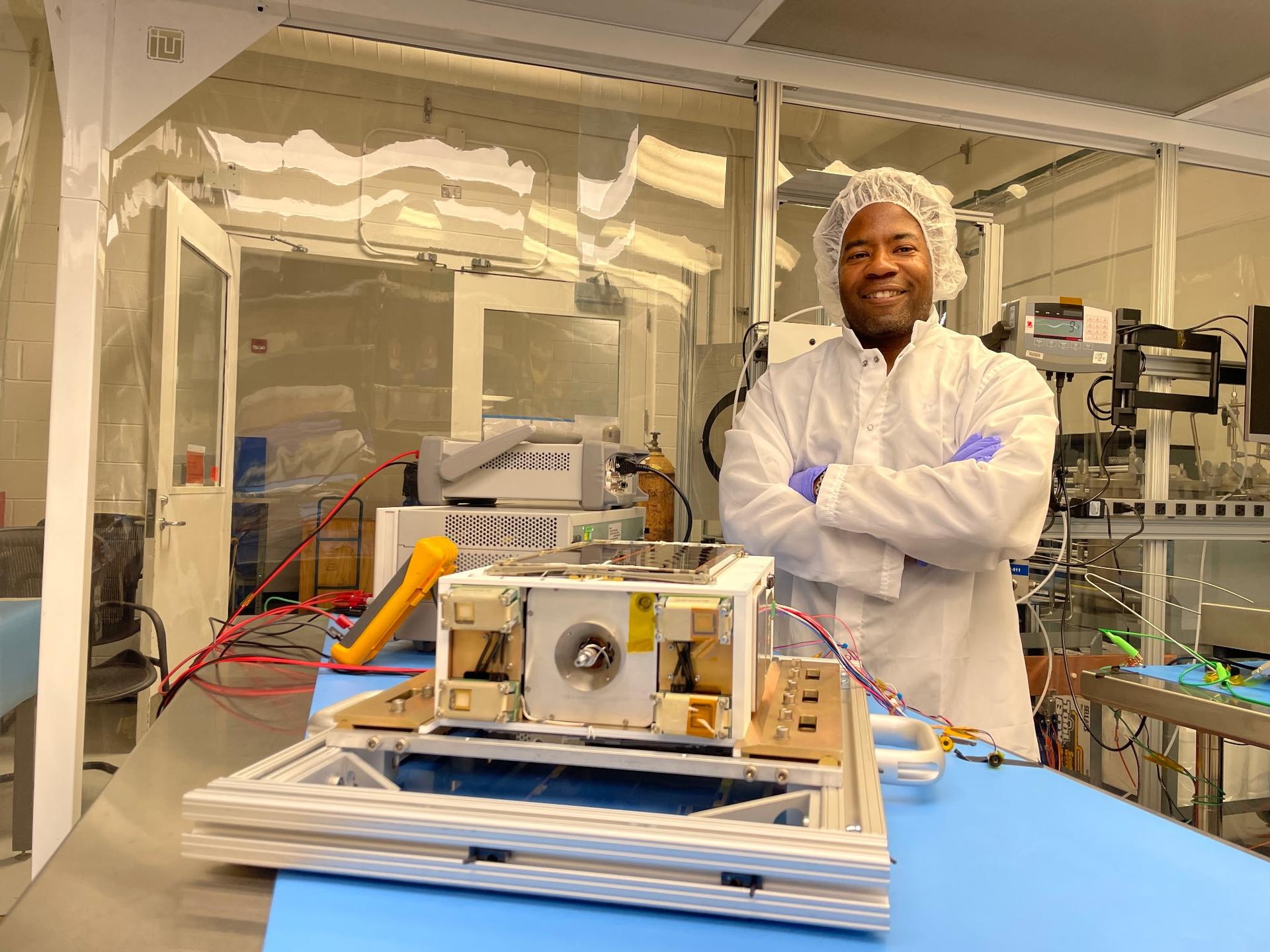
NASA Tests Dual Mode Propulsion CubeSat Ahead of Launch
Spacecraft propulsion traditionally relies on volatile fuels and separate, bulky systems for different types of maneuvering in space. NASA is working to change that paradigm. Engineers at NASA’s Marshall Space Flight Center in Huntsville, Alabama, recently completed a rigorous series…
Ler mais
2026-2027 DWU: High School Engineering Challenge
2026-2027 DWU: High School Engineering Challenge Challenge Materials Overview The 2026-2027 challenge theme is, “Fueling Flight Design Challenge: New Energy Systems.” As more and more aircraft are a part of the US’ National Airspace System (NAS), NASA and partners at…
Ler mais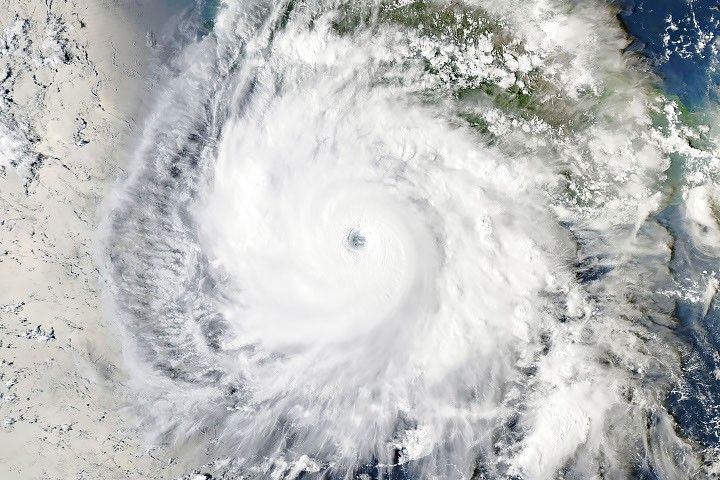
Explosive Intensification for Hurricane Polo
Several ingredients came together off the Pacific coast of Mexico to generate one of the strongest storms the eastern Pacific basin has ever seen.
Ler mais